Land Clearing For Construction Projects In Tulsa: What Contractors Need To Know
Land Clearing For Construction Projects In Tulsa: What Contractors Need To Know
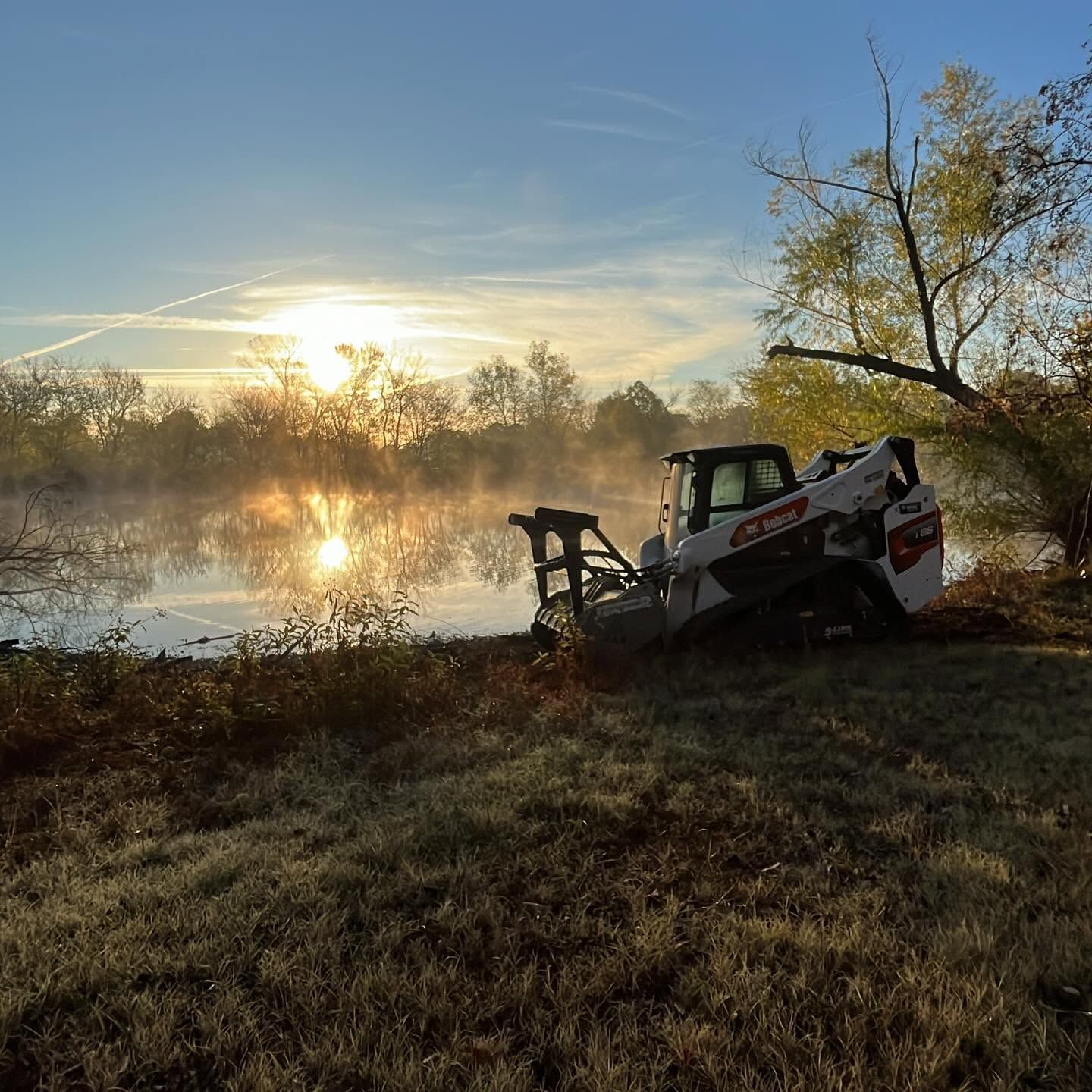
A construction project can fall behind before a single piece of equipment touches the ground.
Trees inside the building footprint, dense vegetation blocking access routes, stumps buried where foundations will go, root systems crossing planned excavation areas—these aren't surprises. They're planning failures. And they're entirely avoidable when land clearing gets treated as part of pre-construction, not something to sort out once crews are already waiting.
For contractors, builders, and developers in Tulsa, the question isn't whether to clear the site. It's whether you clear it with a plan or scramble through it after the fact.
What Construction Land Clearing Actually Involves
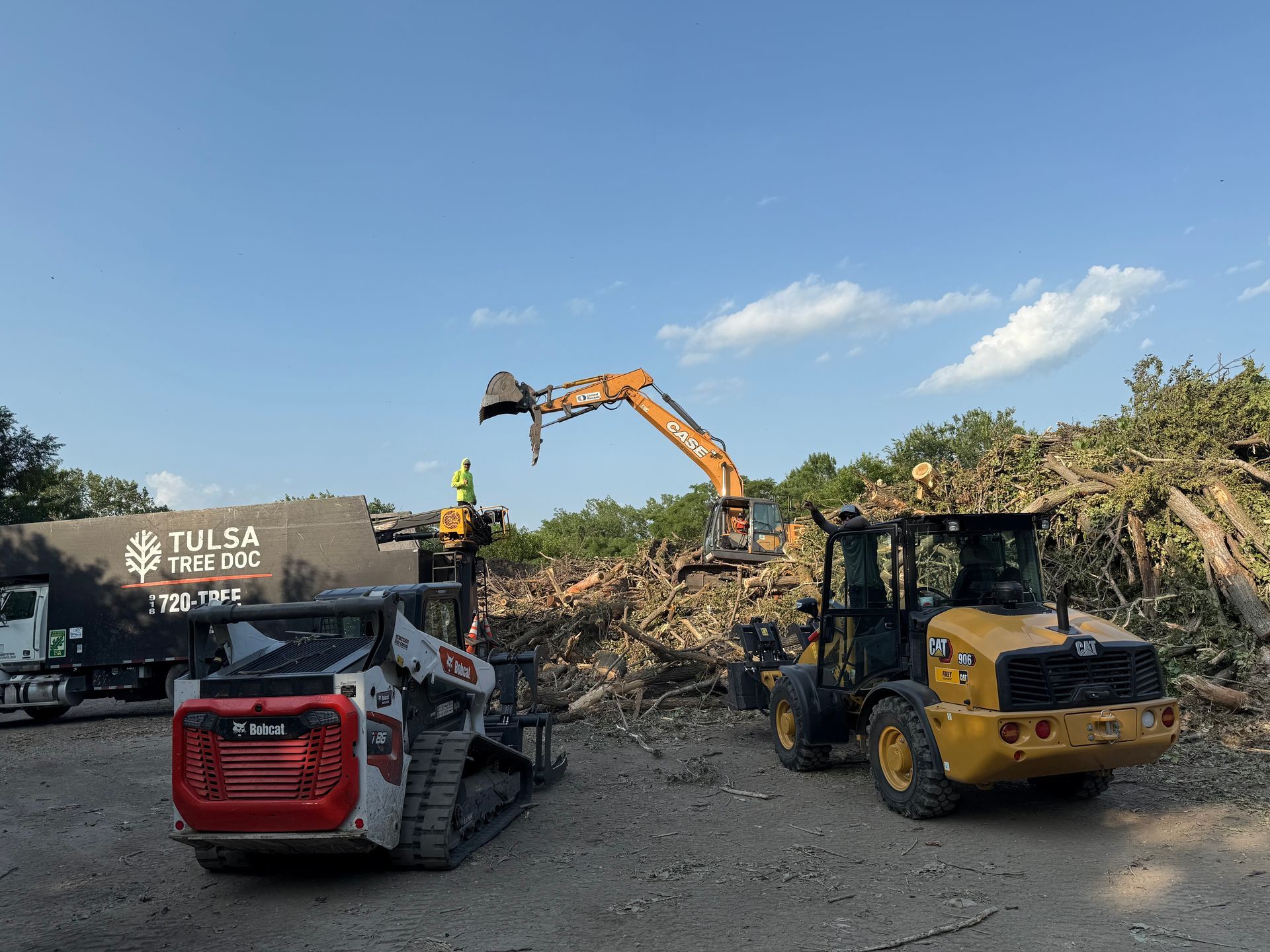
Land clearing isn't bulldozing everything in sight.
The scope depends on what construction requires. A properly defined clearing plan removes trees, brush, limbs, and obstacles from areas that need to be clear while preserving what doesn't interfere with the work.
Before clearing starts, contractors should have answers to:
- What are the building and foundation footprints?
- Where does heavy equipment need to access and maneuver?
- What are the planned roads, driveways, and utility routes?
- Where are drainage and grading areas located?
- Which trees are designated to remain?
- Where are stumps and root systems within excavation zones?
The tree service and general contractor need to work from the same plan. Assumptions made here create conflicts later.
Walk the Site Before Equipment Arrives
A site plan shows where the building goes. It doesn't tell you what you're actually dealing with on the ground.
A pre-construction site walk identifies large trees requiring specialized removal, dead limbs hanging over access routes, compromised trees near work areas, and vegetation that blocks equipment movement before anyone is being paid to stand around waiting.
It's also the right time to decide which mature trees are worth keeping.
A professional tree health assessment determines whether trees intended to remain are structurally sound and likely to survive nearby construction activity. A tree that looks healthy from the outside may already be compromised at the root level—exactly the kind of problem that surfaces after grading has started and costs real money to deal with mid-project.
Finding these issues before mobilization is always easier and cheaper than finding them after.
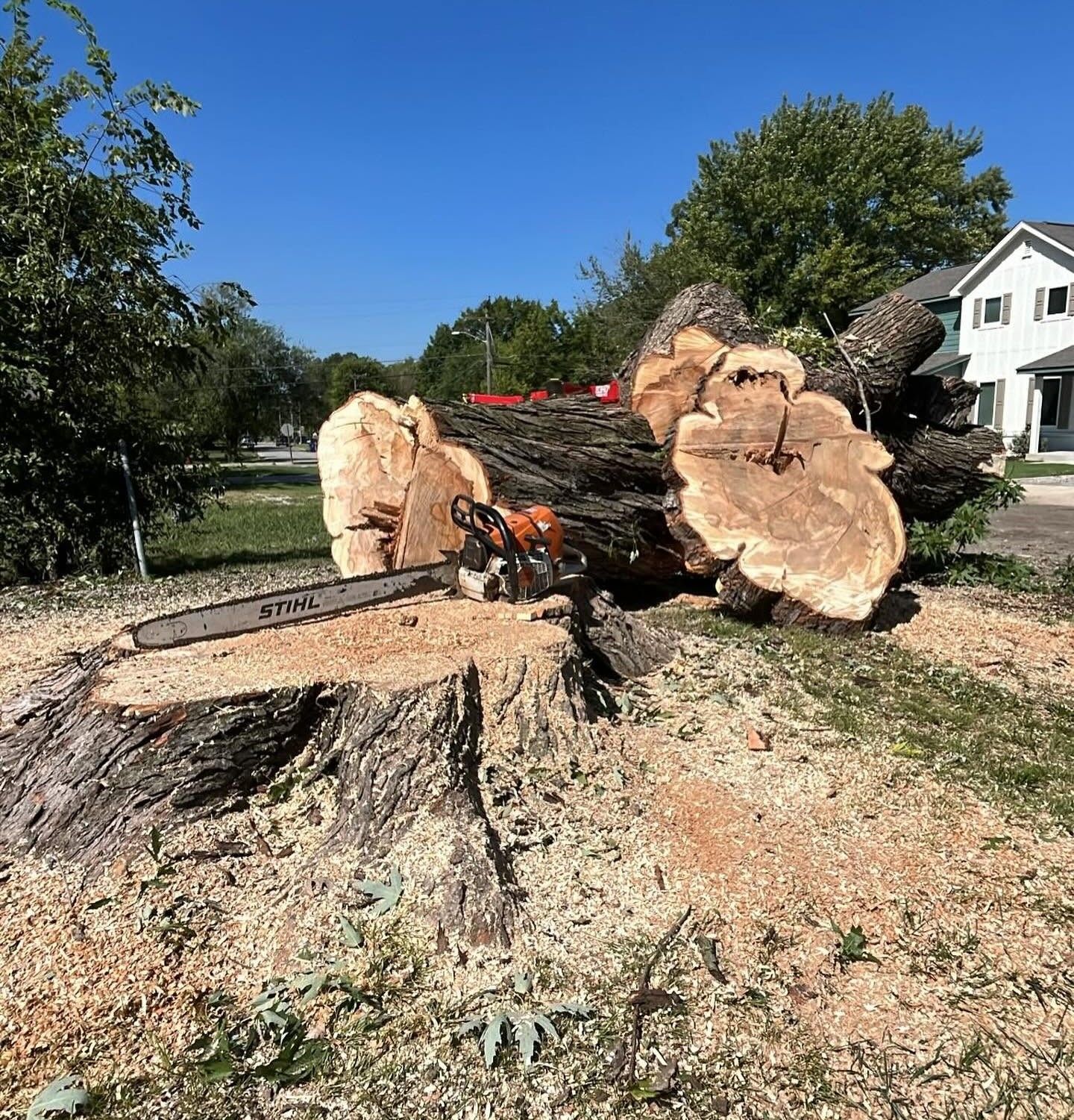
Large Tree Removal Requires More Than a Chainsaw
Pushing vegetation out of the way and removing substantial trees are completely different operations.
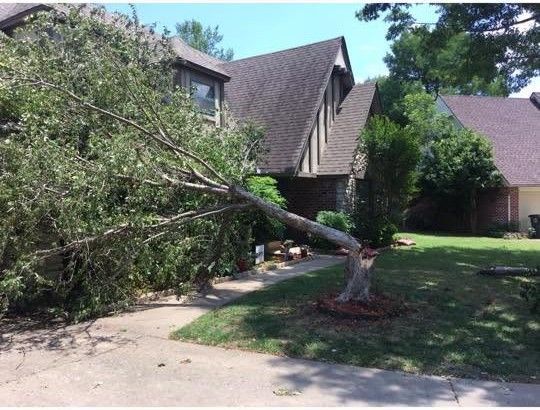
Trees located near neighboring structures, utility lines, fences, roads, or preservation zones need controlled removal techniques. Drop zones, tree condition, equipment access, and what's surrounding the tree all determine how the work gets done safely.
When large trees sit within the construction footprint, using a company with real experience in professional tree removal reduces risk to the site and to the people working on it.
This is one of the main reasons contractors benefit from bringing a commercial tree company in early. Tree removal and clearing can then be sequenced around demolition, excavation, and grading rather than competing with those activities and creating bottlenecks.
Stumps and Roots Don't Disappear on Their Own
A site that looks cleared isn't always a site that's ready for construction.
Stumps and large root systems sitting beneath planned foundations, utilities, pavement, or grading areas don't just cause inconvenience—they cause delays and cost overruns when excavation crews hit them unexpectedly.
Nail down what happens to every stump before accepting a land-clearing bid.
For many areas, stump grinding efficiently eliminates above-ground obstacles. Areas involving foundations or deeper excavation require different planning because root systems and organic material extend further than the visible stump suggests.
The tree service needs to understand what each cleared area will eventually become—not just what needs to disappear from view.
Selective Clearing Preserves What Has Value
Not every construction project in Tulsa needs a blank slate.
Selective clearing removes trees and vegetation that conflict with construction while keeping healthy trees that add value to the finished property. For residential developments, commercial sites, and custom projects, mature trees are often part of what makes a property worth developing
in the first place.
But preserving a tree means protecting more than the trunk.
Heavy equipment, stockpiled materials, trenching, grade changes, and repeated vehicle traffic compact soil and damage roots. A tree that makes it through construction can still decline six months after the project closes if its root zone was heavily disturbed during the work.
Trees designated for preservation need to be identified before clearing starts and actively protected throughout construction—not just noted on a site plan and forgotten.
Equipment Access Is Part of the Clearing Plan
A building footprint can be technically clear while the path to reach it is completely blocked.
Contractors need to think through how excavators, loaders, cranes, dump trucks, delivery vehicles, and other equipment will enter, maneuver, and exit the property. Overhanging limbs and narrow tree lines create problems even when the trees themselves sit outside the building area.
Complete removal isn't always the answer. Strategic tree trimming can provide equipment clearance while preserving healthy trees that don't otherwise interfere with the project.
Planning access before crews mobilize eliminates the rushed, expensive tree decisions that happen when equipment shows up and can't get to where it needs to go.
What to Expect From a Land Clearing Partner
A reliable tree service in Tulsa understands that construction runs on schedules.
Contractors need more than someone who can cut trees. They need clear communication about scope, site conditions, equipment requirements, debris removal, and complications before those complications become problems.
Before work begins, establish:
- Exactly which areas will be cleared
- Which trees must remain and how they'll be protected
- How debris and logs will be handled and removed
- Whether stump work is included in the scope
- Required equipment access routes
- Site hazards and neighboring structures to account for
- The expected completion window
- What condition the site will be left in when work is done
That clarity makes it possible for the next trade to start moving when the clearing crew finishes.
Two Types of Contractors
Both end up with trees on their job sites. Only one accounts for them before it matters.
The first type treats clearing as someone else's problem until it becomes their problem. Discovers the root system under the foundation zone after excavation has started. Realizes the equipment access route runs through a stand of trees nobody flagged. Deals with it reactively, pays for it in schedule time and change orders, and moves on.
The second type builds clearing into pre-construction planning. Walks the site before mobilization. Gets the tree assessment done early. Coordinates clearing with the overall project sequence so
trees never slow anything down.
Your schedule, your subcontractor relationships, and your reputation for running jobs that don't fall behind depend on which type you are. Plan for trees upfront, and they never become a story you're explaining to the owner.
Better Site Preparation Starts Before Groundbreaking
Good land clearing in Tulsa isn't measured by how many trees were removed. It's measured by whether the site is ready for what comes next.
For contractors, that means thinking through tree removal, stumps, root systems, equipment access, and preservation before clearing begins—not while excavators are idling and the clock is running.
Tulsa Tree Doc provides tree removal, land clearing, trimming, stump grinding, and tree assessment services for contractors, builders, developers, and commercial properties throughout the Tulsa area.
Preparing a site for construction and need a dependable land clearing or tree removal subcontractor?
Contact Tulsa Tree Doc to discuss the site, project requirements, and clearing scope before work begins.
Recent Posts