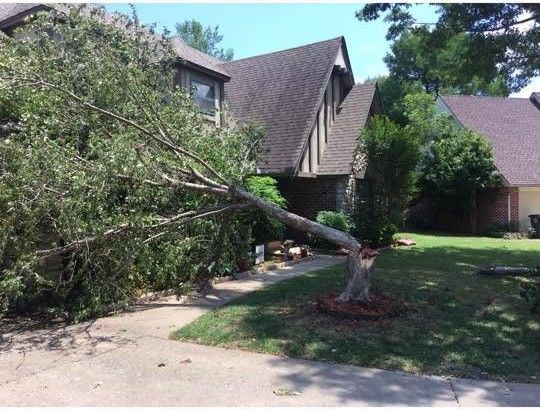
Dead limbs hanging over your home aren't a "deal with it later" problem. They're a liability waiting for the right wind.
Most homeowners focus on trees that are visibly dead or leaning dangerously. The branches quietly rotting fifty feet up rarely get a second look. That's exactly why they cause so much damage—nobody's watching them until they fall.
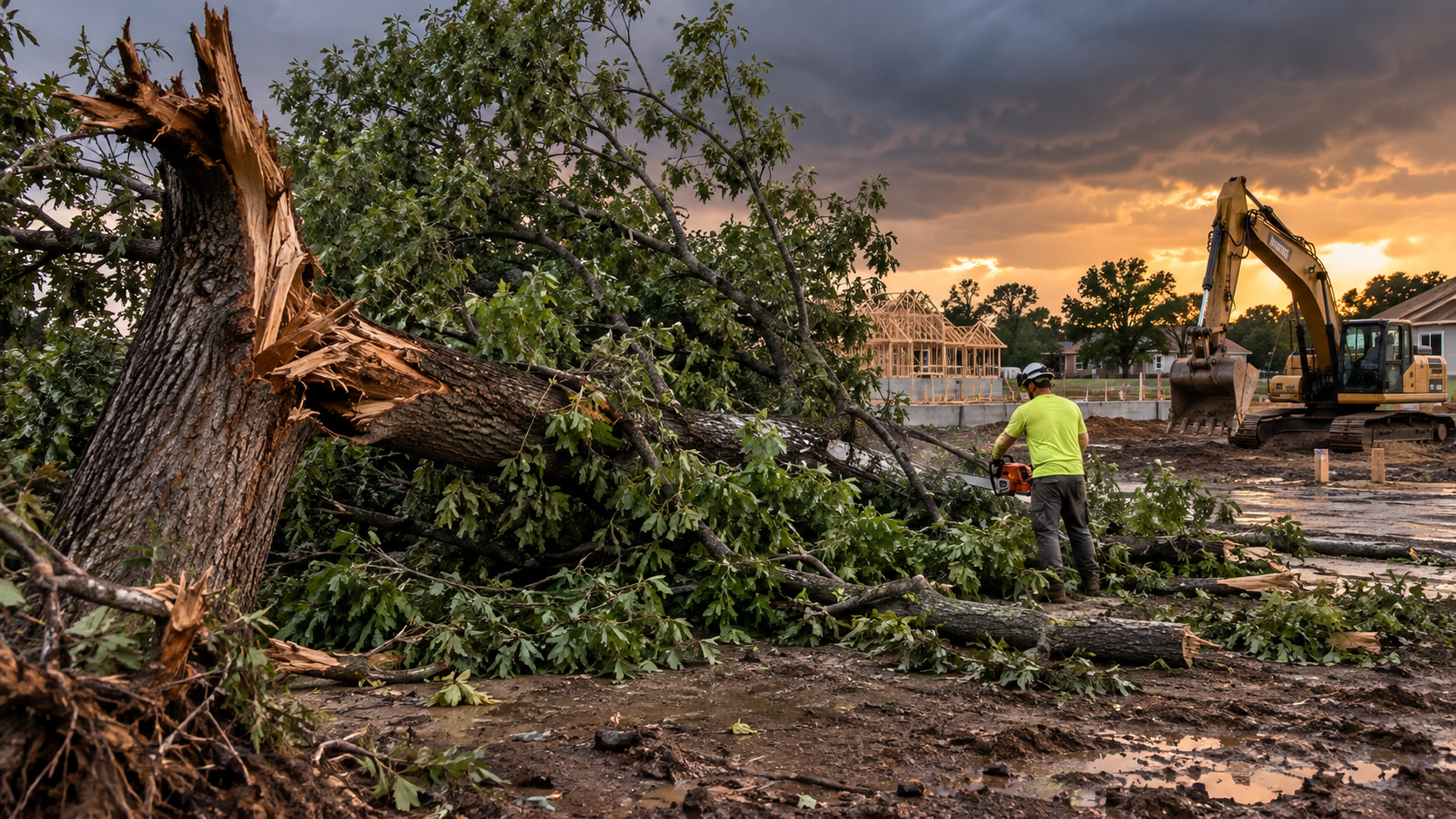
In Tulsa, the combination of aging trees, ice storms, high winds, and heavy rain creates constant pressure on weakened branches. The damage happens fast. The warning signs build slowly.
Why Dead Limbs Are More Dangerous Than They Look
When a limb dies, it stops being flexible. Healthy wood bends under stress. Dead wood snaps. Add Oklahoma wind to that equation and you have a branch that can fail without any warning on what looks like a calm afternoon.
Gravity doesn't need a storm. It just needs time.
The hazards aren't abstract either. Dead limbs cause:
- Roof and gutter damage that leads to water intrusion
- Shattered windows and destroyed outdoor structures
- Crushed vehicles parked in the wrong spot
- Interference with power lines
- Serious injuries to anyone underneath when they fall
- Ongoing stress that accelerates decline in the rest of the tree
Most homeowners find out they had a problem the same way—something crashes, and then they start asking questions.
Warning Signs to Look For
Dangerous limbs don't always announce themselves. Some deteriorate for years before anything happens. Knowing what to look for puts you ahead of the problem.
No Leaves During Growing Season
A bare branch surrounded by healthy foliage isn't dormant—it's dead. This is one of the clearest signals a limb needs to come down before it comes down on its own.
Cracks Where Branches Meet the Trunk
Structural failure almost always starts at attachment points. Visible splitting or cracking at the base of a large branch means that limb is already compromised. It doesn't need a major storm to fail—a strong gust can finish it.
Widowmakers in the Canopy
After severe weather, broken branches sometimes get suspended in the canopy instead of falling completely. They look stable. They're not. These limbs can drop days or weeks later with no warning.
Fungal Growth and Visible Rot
Mushrooms growing on a branch aren't a quirk—they're a signal that the wood underneath is decaying. Soft spots, discoloration, and fungal activity all indicate the limb has lost structural integrity from the inside out.
Widespread Deadwood
Multiple dead limbs throughout the canopy usually indicate the tree itself is under serious stress. At that point, individual branch removal may not be enough.
Tulsa Weather Makes This Worse
Oklahoma's weather doesn't give weakened trees a break. Tulsa deals with high wind events, severe thunderstorms, ice accumulation, and dramatic temperature swings throughout the year.
A branch that's holding on through mild conditions won't survive a direct hit from a storm system. The timing is unpredictable. The damage isn't.
Scheduling
tree trimming in Tulsa before storm season removes the most vulnerable limbs while they're still manageable, not after they've taken out part of your roof.
Trimming vs. Removal—Which One Do You Need?
Not every problem branch means the tree has to go.
In many cases, targeted pruning solves the issue. A professional arborist evaluates the overall health of the tree, how much deadwood is present, where the structural weaknesses are, and what kind of risk the tree poses to structures nearby. If the damage is localized,
tree trimming services address the hazard without losing the tree.
When the decay is widespread, when structural defects compromise the trunk, or when the tree is simply past the point of recovery,
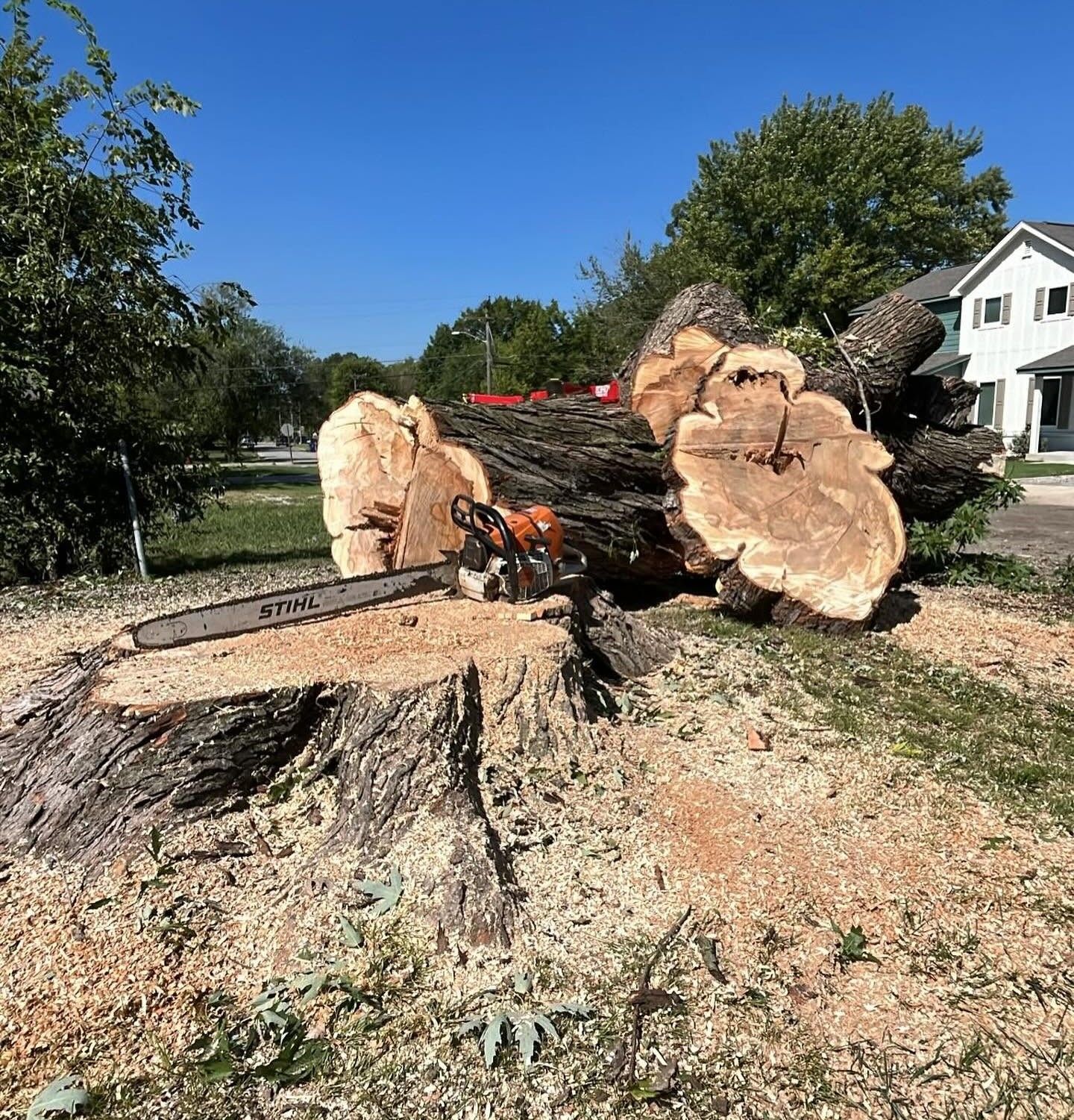
tree removal becomes the right call. A thorough
tree health assessment gives you a clear picture of which situation you're actually in.
Guessing costs more than getting an expert opinion up front.
DIY Tree Work Is a Serious Mistake
Dead branches look manageable from the ground. They're not.
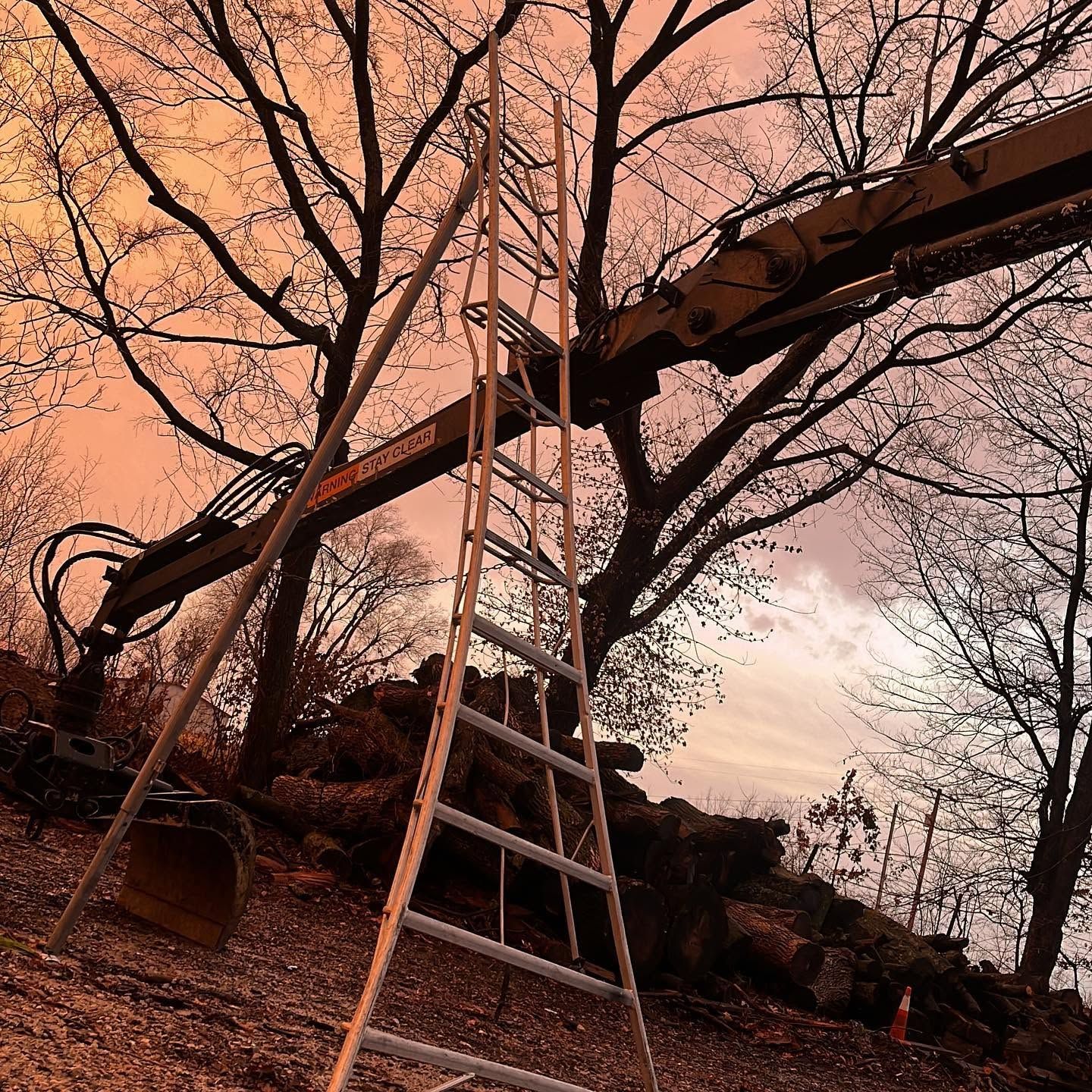
Hazardous limbs are heavy, unpredictable, and often entangled with other branches that affect how they fall. Cutting them from a ladder—near a power line, with a chainsaw—is one of the most common ways serious injuries happen on residential properties.
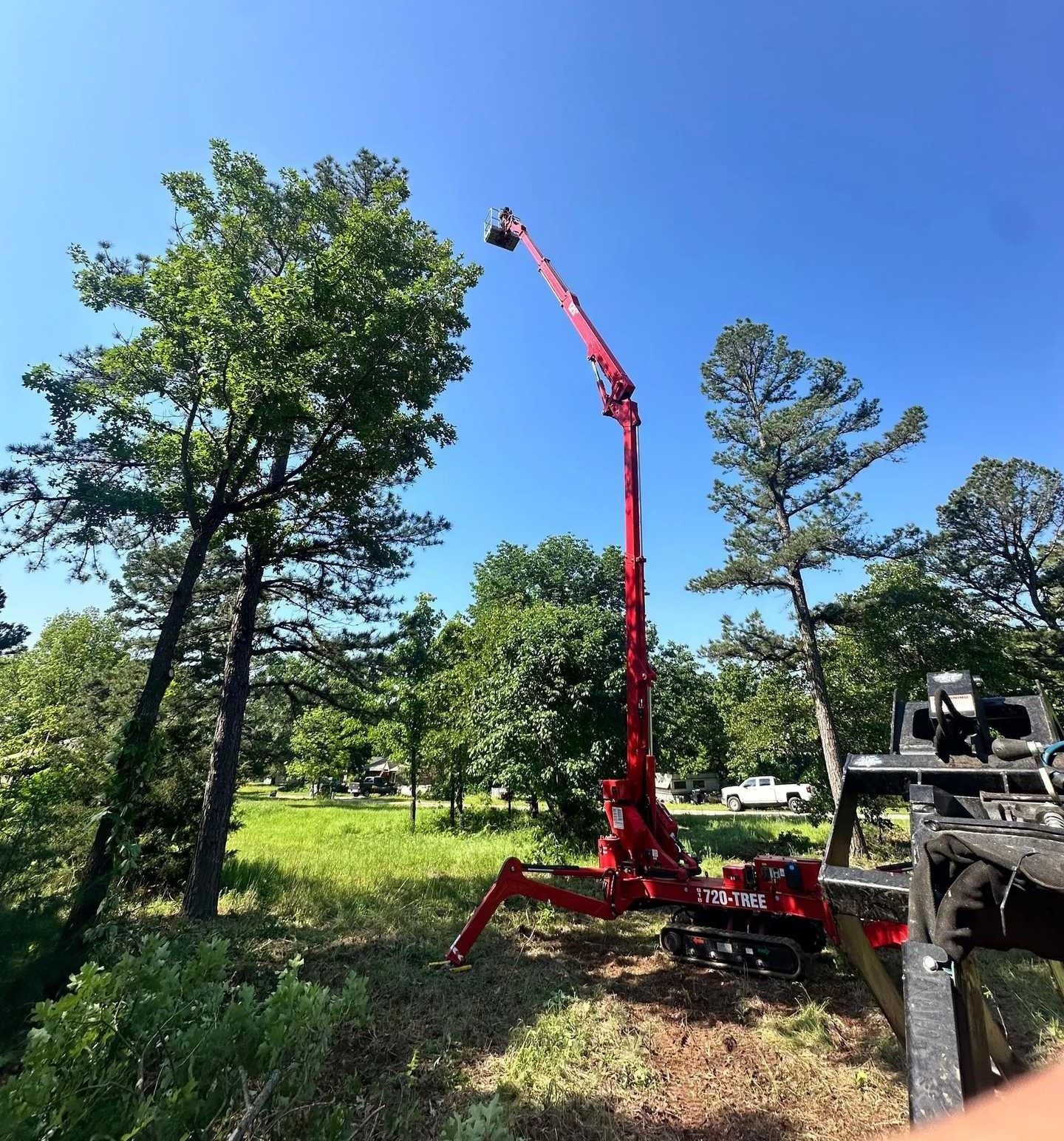
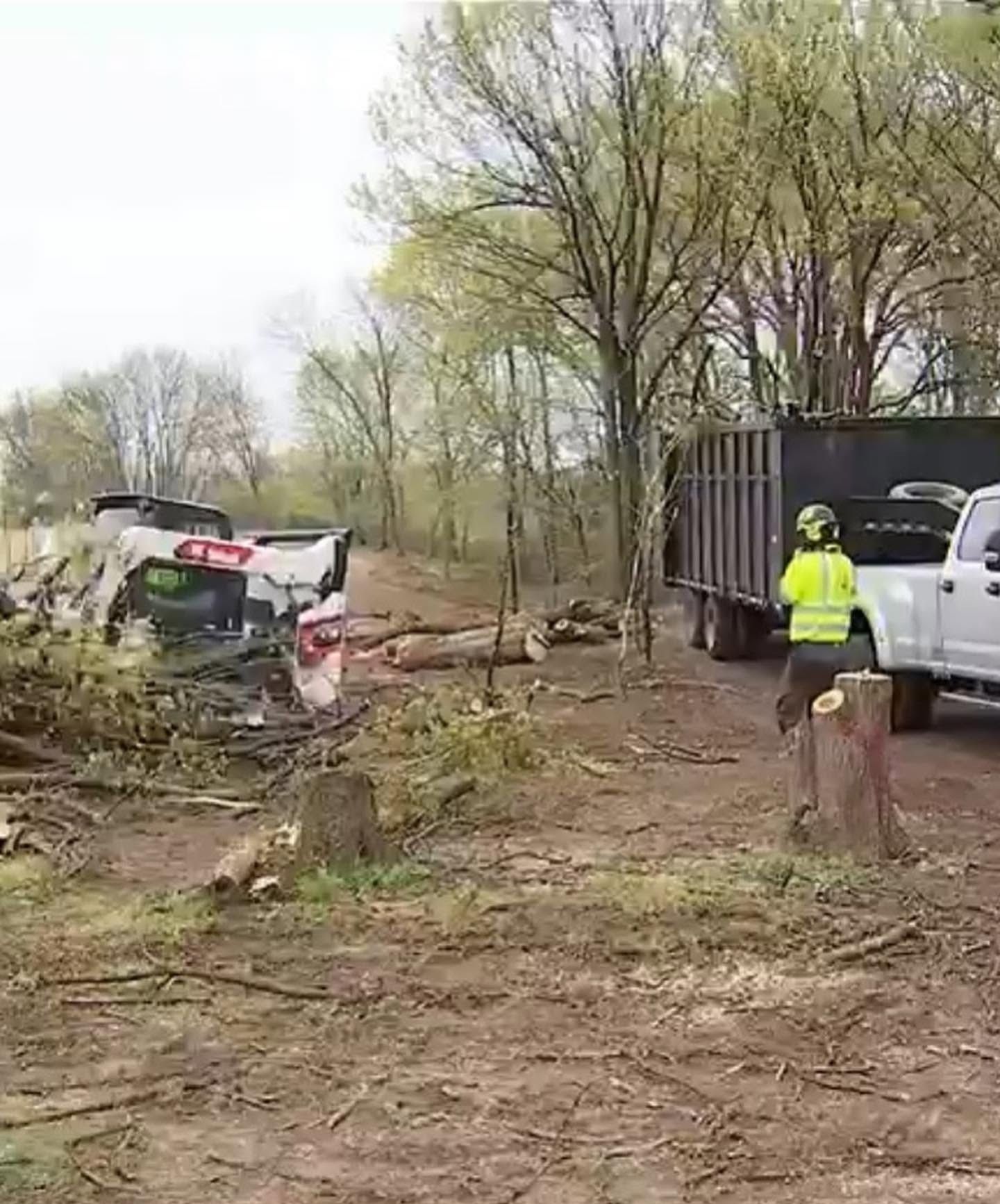
Professional crews don't just have the equipment. They understand how trees fail, where limbs will land, and how to control a removal that would be dangerous without proper training. The cost of professional service is nothing compared to a hospital bill or a crushed vehicle.
Regular Inspections Prevent Emergencies
Most of the damage dead limbs cause is preventable. The trees that fall on houses didn't become dangerous overnight—they gave warning signs that went unnoticed.
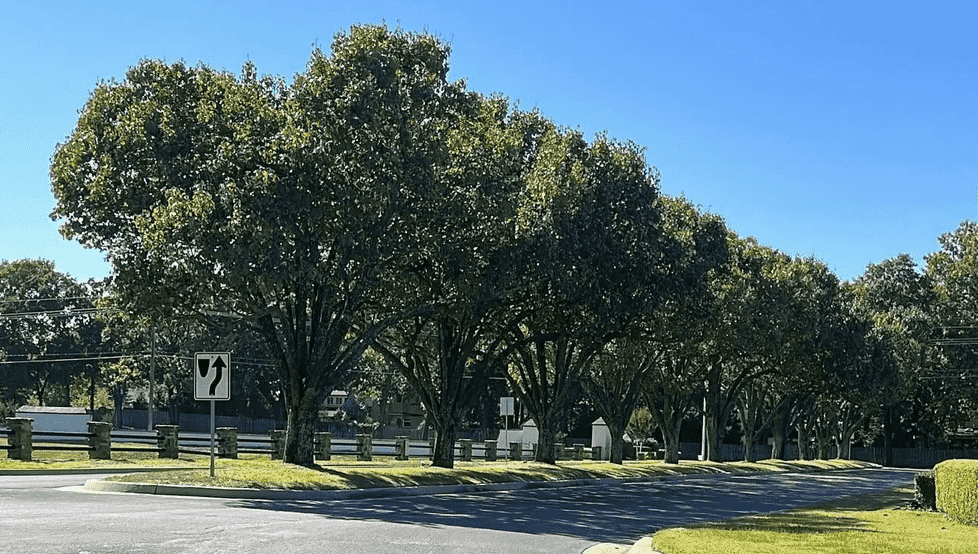
Routine inspections catch hidden decay, early disease, insect activity, storm damage, and structural problems before they turn into emergencies. For homeowners with mature trees growing near the house, driveway, or areas where people spend time, an annual inspection isn't excessive—it's basic risk management.
Two Types of Homeowners
Both have dead limbs hanging over their property. Only one does something about it before a storm decides for them.
The first type notices the bare branches and files it away for later. Figures it's been there this long. Plans to deal with it when something actually happens. Ends up paying emergency rates for storm damage cleanup after the fact, or worse, dealing with damage to their home or car on top of it.
The second type schedules the inspection. Gets the trimming done. Treats it as the routine maintenance it is rather than the crisis it could become.
Your home, your vehicles, and the people in your yard are sitting under those branches either way. The question is whether you control the outcome or wait for a branch to make that decision for you.
Trust Tulsa Tree Doc for Safe, Professional Tree Care
At
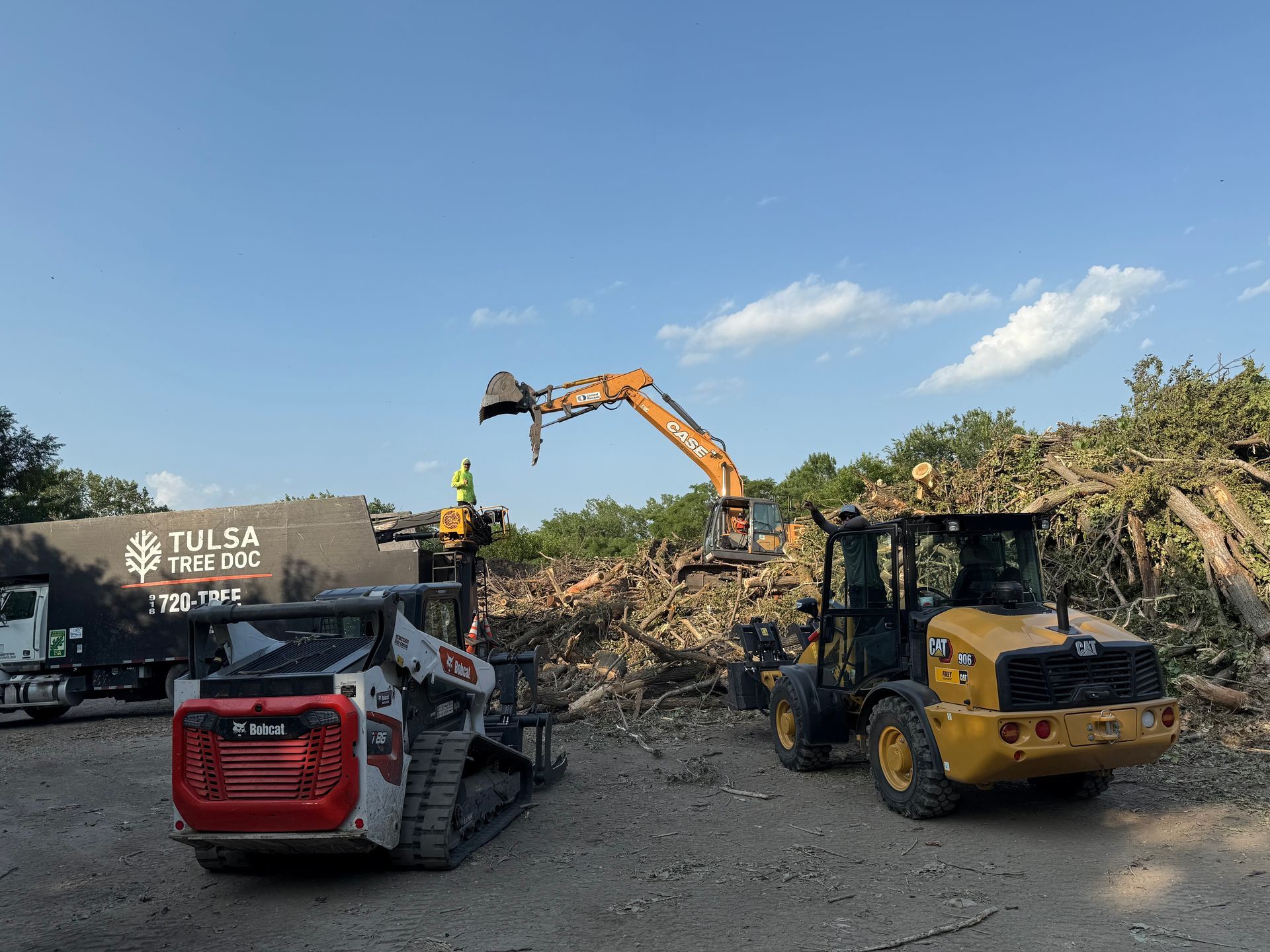
Tulsa Tree Doc, we help homeowners throughout Tulsa identify hazardous trees before they cause damage. Our team handles professional
tree trimming services,
tree health assessments, safe
tree removal, and fast
storm damage cleanup when severe weather hits.
Concerned about what's hanging over your home? Don't wait for the next storm to answer that question.
Contact Tulsa Tree Doc today to schedule a professional evaluation.