Not every project needs every tree gone. For general contractors, builders, and developers in Tulsa, the real decision is complete lot clearing versus selective tree removal.
Clear too much, and you've torched mature trees that would've added value later. Preserve trees in the wrong spot, and you're fighting excavation, grading, utilities, and equipment access once construction starts — plus the delays that come with it.
Know the difference between these two approaches, and pre-construction site preparation in Tulsa gets a lot easier. You clear what needs clearing, nothing more.
What Is Complete Lot Clearing?
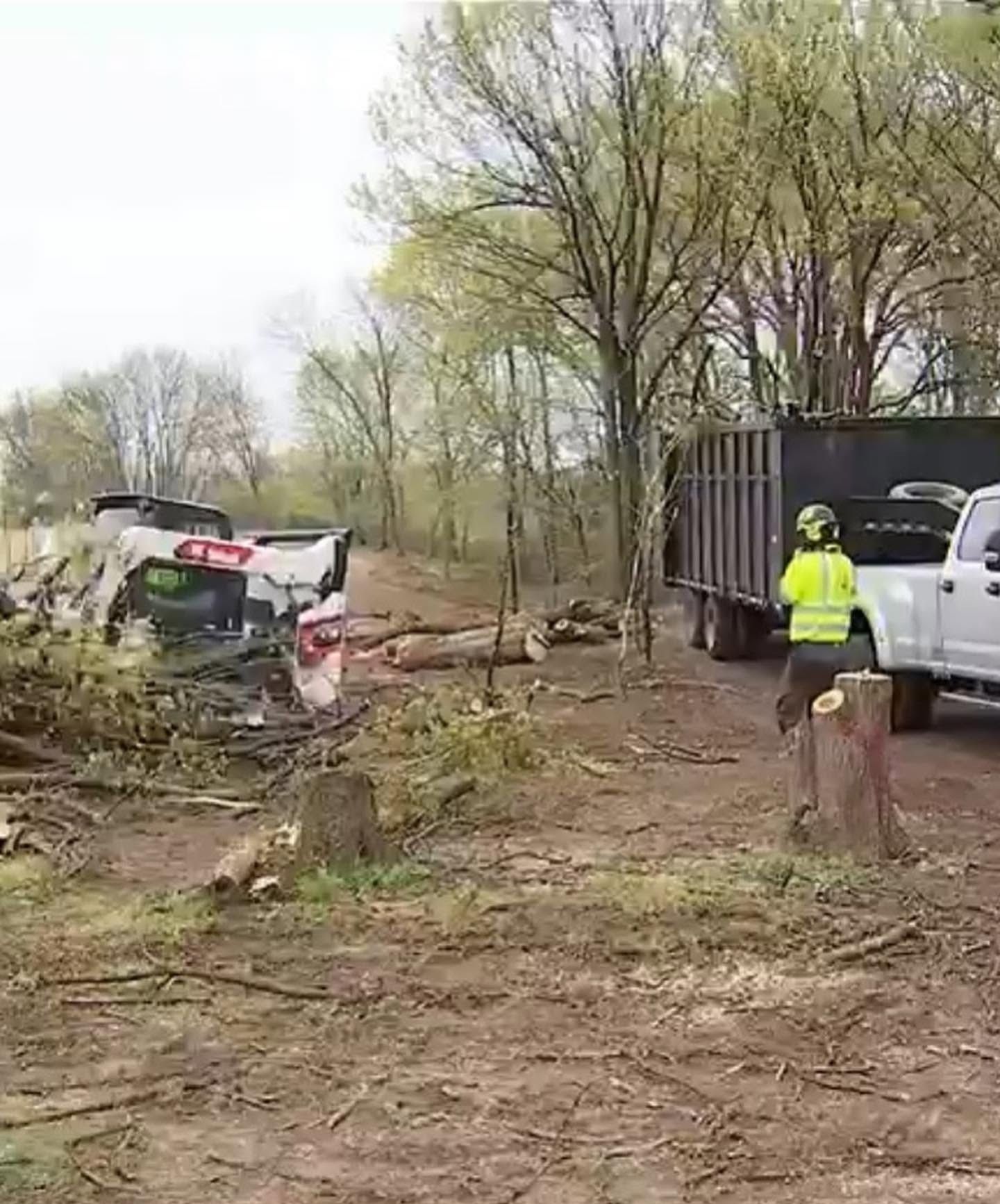
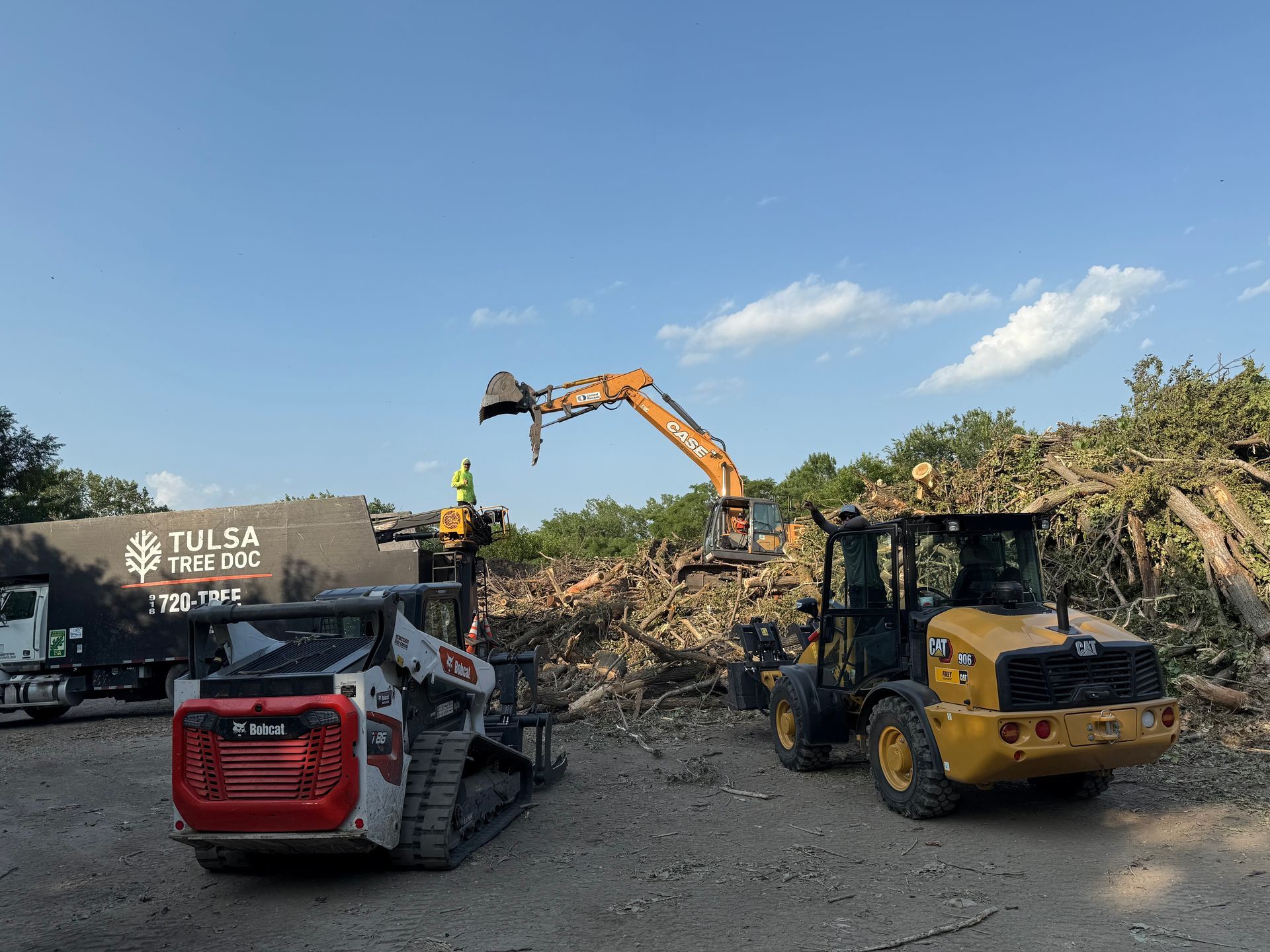
Complete lot clearing means removing trees, brush, woody vegetation, and other obstacles from the construction area entirely.
This is the move when a property needs heavy grading, infrastructure installation, or a real overhaul of the existing landscape.
For larger developments, professional
land clearing services in Tulsa prep the designated area while accounting for access requirements and surrounding structures.
When Does Complete Lot Clearing Make Sense?
Clearing the whole work area makes sense when you're:
- Constructing commercial buildings or large residential developments.
- Preparing heavily wooded properties for new construction.
- Creating access roads, parking areas, or equipment staging locations.
- Removing vegetation that conflicts with planned grading or drainage.
- Preparing multiple building pads within a development.
- Clearing areas designated for underground utilities or infrastructure.
Projects that call for extensive land clearing for new construction in Tulsa need clearing boundaries locked down before anyone touches a saw.
Even with substantial clearing on the table, figure out which trees and areas need to stay undisturbed.
What Is Selective Tree Removal?
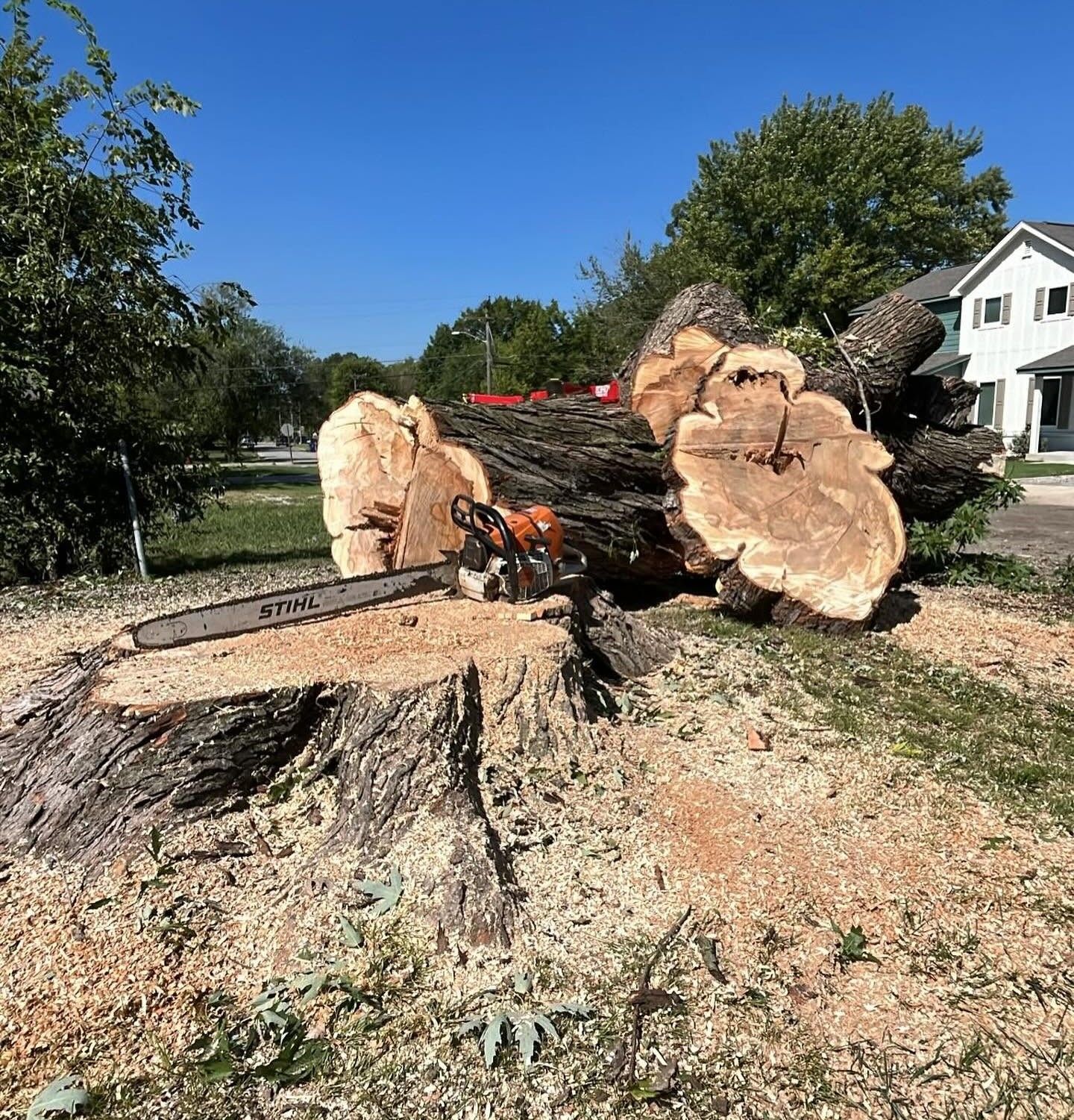
Selective tree removal skips the clearcut. It targets specific trees that get in the way while leaving the rest standing.
This works well for custom homes, residential developments, commercial renovations — anywhere mature trees are part of the finished look.
A builder might need three trees gone from the foundation footprint while a line of healthy oaks stays put along the back property boundary.
Professional
tree removal services handle the designated trees with an eye on nearby structures, remaining vegetation, equipment access, and site conditions.
When Is Selective Tree Removal Appropriate?
Selective removal makes more sense when:
- Only a few trees interfere with the proposed building footprint.
- Mature trees are incorporated into the final landscape design.
- Construction is taking place near existing homes or commercial buildings.
- Certain trees provide desirable shade or privacy.
- The project needs extra equipment clearance, not a bare canopy.
But leaving a tree standing during construction isn't the same as preserving it.
Protecting Trees That Remain During Construction
Here's what gets overlooked: construction activity outside the building footprint can still damage the trees you meant to keep.
Heavy machinery, soil compaction, excavation, grade changes — all of it can hit root systems. A tree can look fine through the entire build and start dying two years later because its root zone took the hit and nobody noticed.
Before deciding what stays, get a professional
tree health assessment to catch structural defects, root problems, and anything else that threatens long-term survival.
Set up tree protection zones, and keep them off-limits for equipment parking, material storage, and unnecessary excavation.
Preserving mature trees has to be intentional. Bake it into the site plan — don't bolt it on afterward.
Lot Clearing Vs. Selective Tree Removal: Key Differences
Both play a role in construction site tree removal in Tulsa, just for different jobs. Here's how they stack up:
Complete Lot Clearing
Primary Purpose: Prepares a larger designated area for construction or development.
Typical Projects: New residential developments, building pads, commercial properties, and infrastructure projects.
Tree Preservation: Limited within the designated clearing area.
Planning Requirements: Establishing clearing boundaries, equipment access, debris removal, and grading requirements.
Site Impact: Involves more extensive vegetation removal and ground disturbance.
Selective Tree Removal
Primary Purpose: Removes specific trees that interfere with construction while preserving others.
Typical Projects: Custom homes, renovations, partially wooded properties, and developments incorporating mature trees.
Tree Preservation: Prioritizes keeping selected healthy trees whenever practical.
Planning Requirements: Identifying trees for removal, protecting root zones, and planning controlled removal methods.
Site Impact: Creates more localized disturbance while maintaining portions of the existing landscape.
Neither one is automatically the better choice. It comes down to your construction plans, existing vegetation, site conditions, and long-term goals for the property.
Don't Overlook Stumps, Roots, And Equipment Access
Cutting the trees down is only step one — whether you're doing complete clearing or selective removal.
Leftover stumps interfere with foundation work, grading, underground utilities, pavement, and landscaping down the line. Big root systems need their own attention depending on where they sit.
Professional
stump grinding handles the leftover stumps, though areas needing structural fill or foundation work may still require extra excavation and prep.
Check overhead clearance for excavators, cranes, and delivery trucks too. Sometimes professional
tree trimming gets you the access you need without cutting down a perfectly healthy tree.
Sort these details out before clearing starts. It saves the next subcontractor a bad surprise. If storm damage has already taken a few trees down on-site,
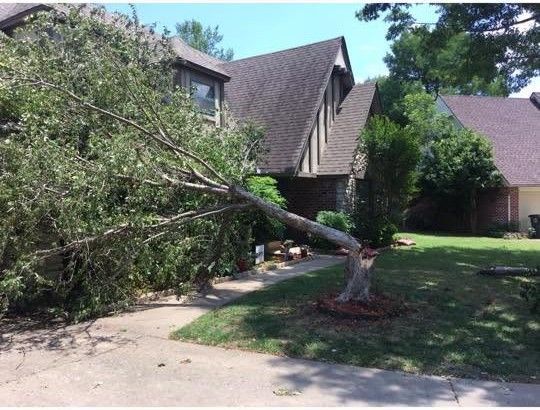
storm damage cleanup is worth folding into the same scope of work.
Choosing The Right Approach For Your Tulsa Construction Project
Start with a detailed look at the site plan.
Building footprint, grading requirements, utility routes, equipment access, existing tree conditions, final landscaping goals — all of it factors in.
Bring in experienced lot clearing and tree removal contractors during the planning stage, and they'll help you figure out which trees have to go and which ones can realistically stay. Not sure who to trust with a project this size?
Read what other contractors and property owners have said about working with our crew.
For bigger residential developments, phased clearing is worth a look — it lets you prep sections of the property as construction actually progresses.
Selective removal or full commercial tree removal in Tulsa, the scope needs to be clear so tree work stays coordinated with the rest of the construction schedule.
Partner With Tulsa Tree Doc For Your Next Construction Project
Complete lot clearing versus selective tree removal comes down to one question: what does the property need now, and how will it be used once construction wraps?
Tulsa Tree Doc works with general contractors, builders, developers, and commercial property owners across Tulsa and the surrounding area — tree removal, land clearing, trimming, stump grinding, tree assessments, all of it.
Single residential lot or a full development, our job is helping contractors clear tree obstacles safely and efficiently.
Got a construction project coming up?
Contact Tulsa Tree Doc to talk through your property, your clearing requirements, and your timeline. We'll help you figure out the right tree services before construction starts.