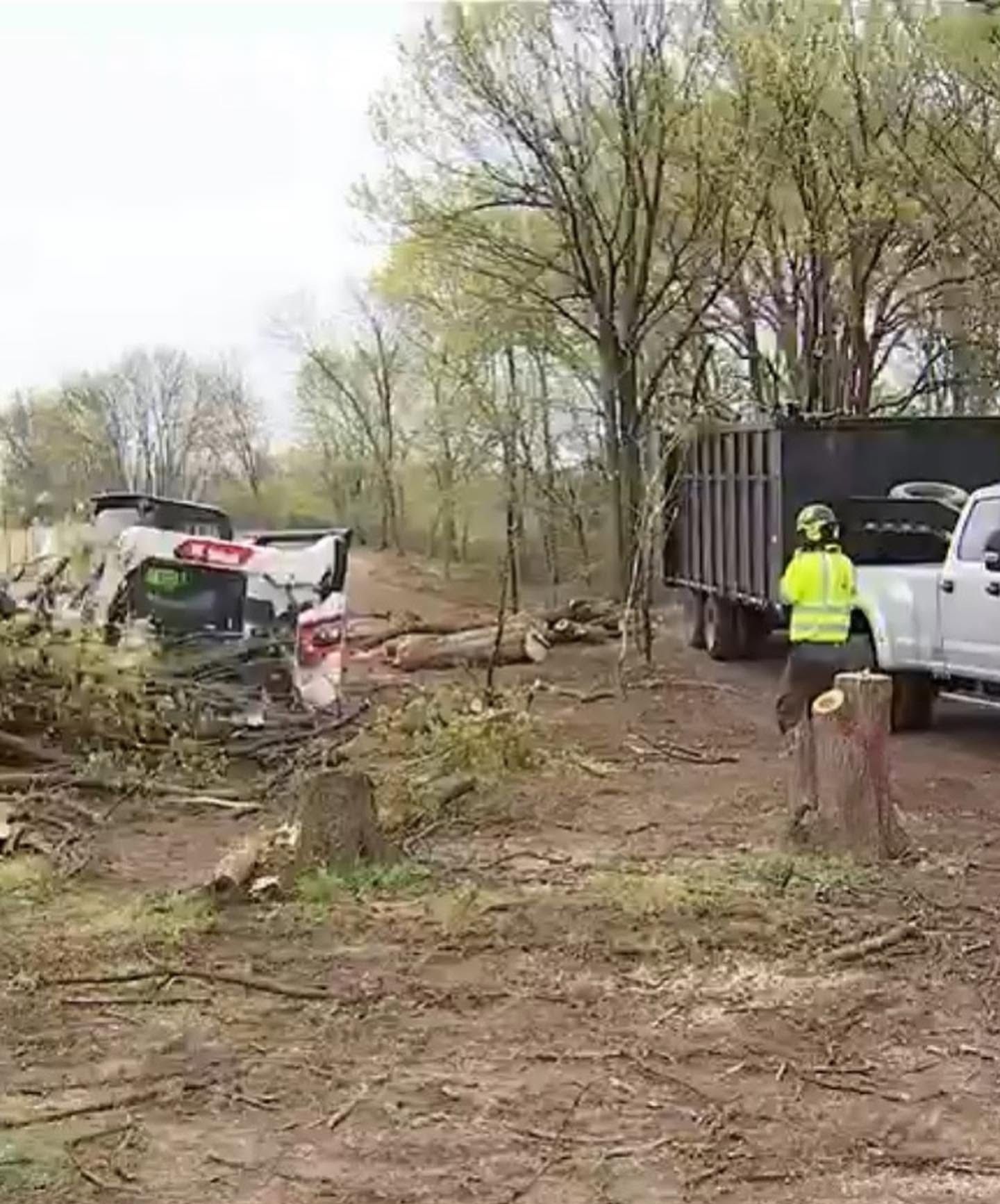
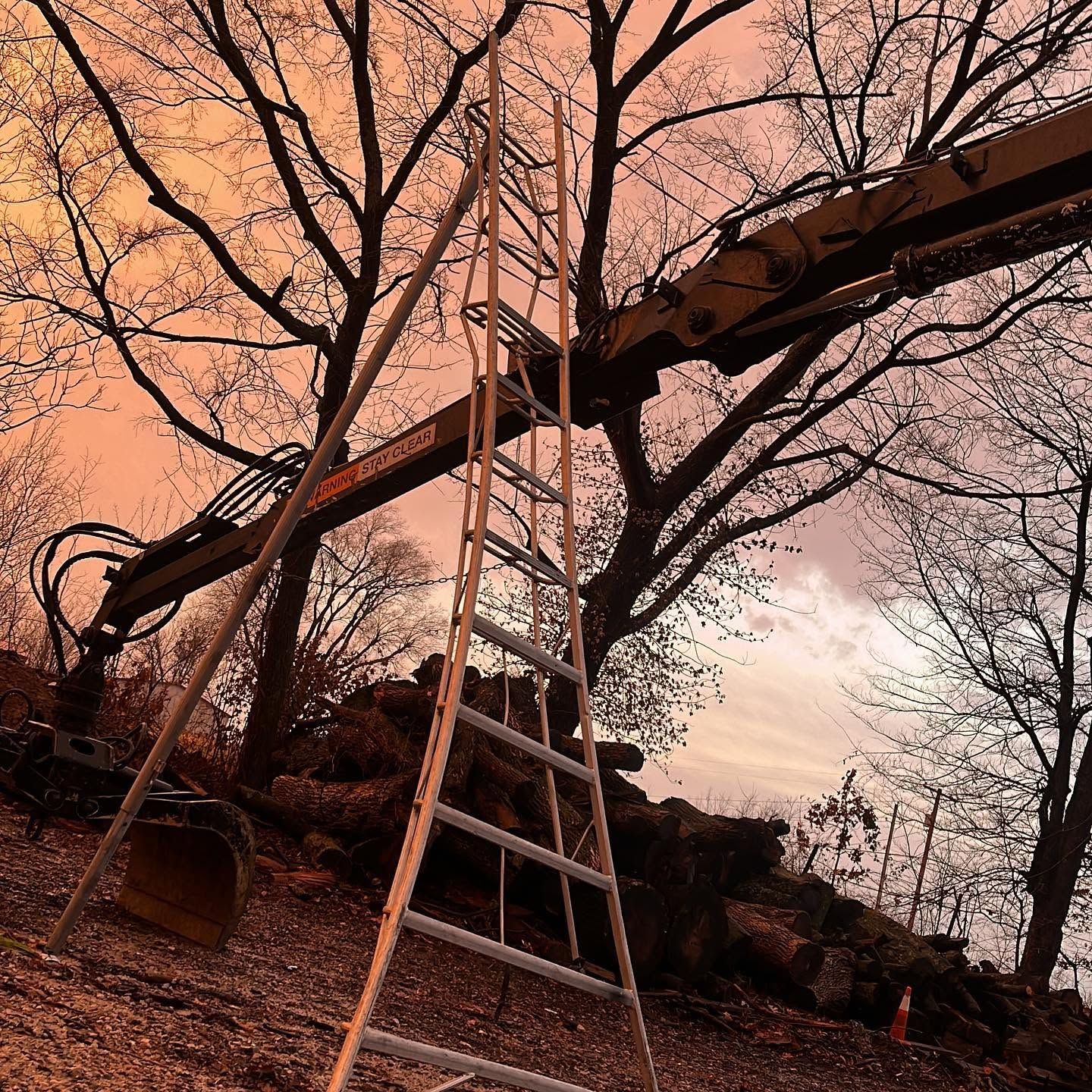
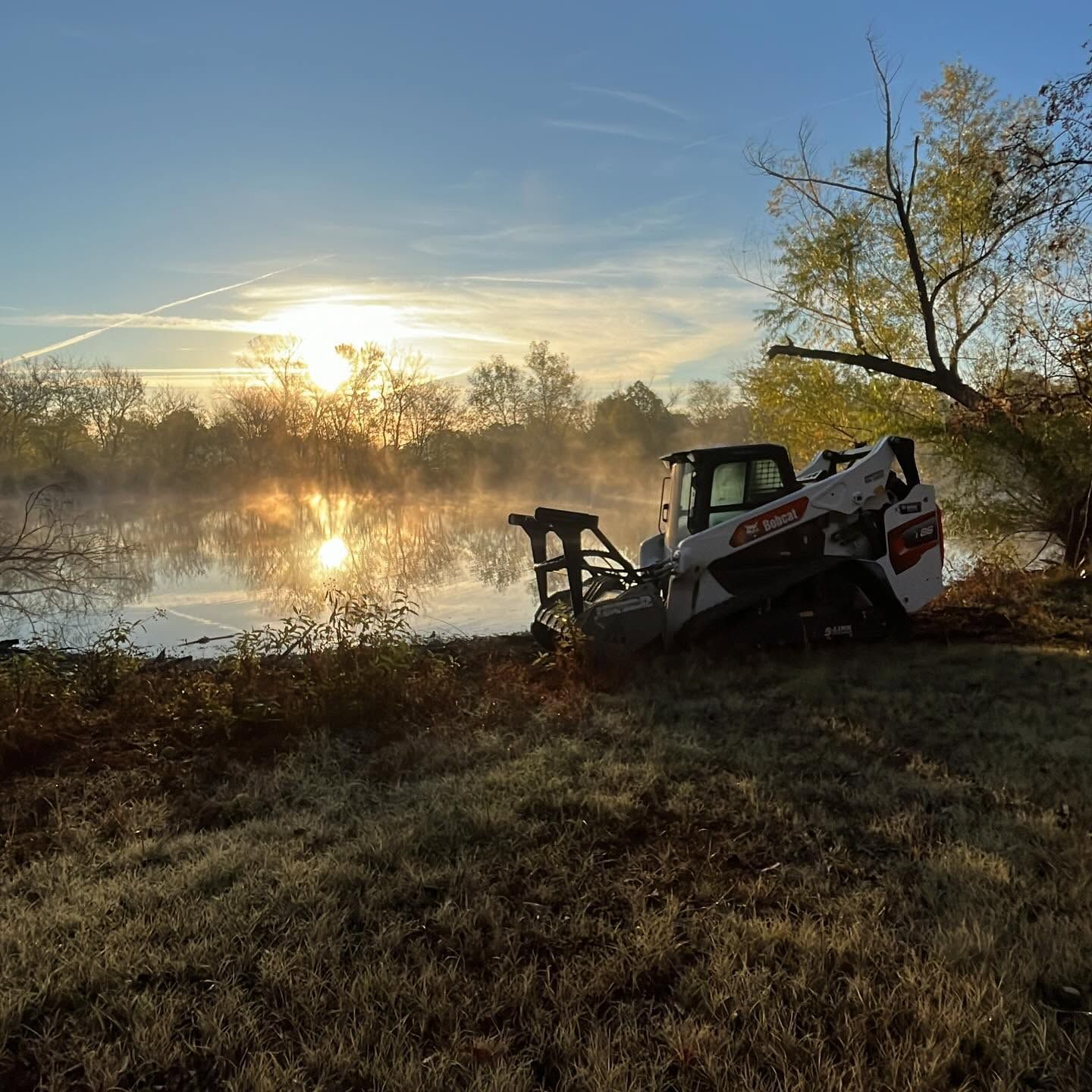
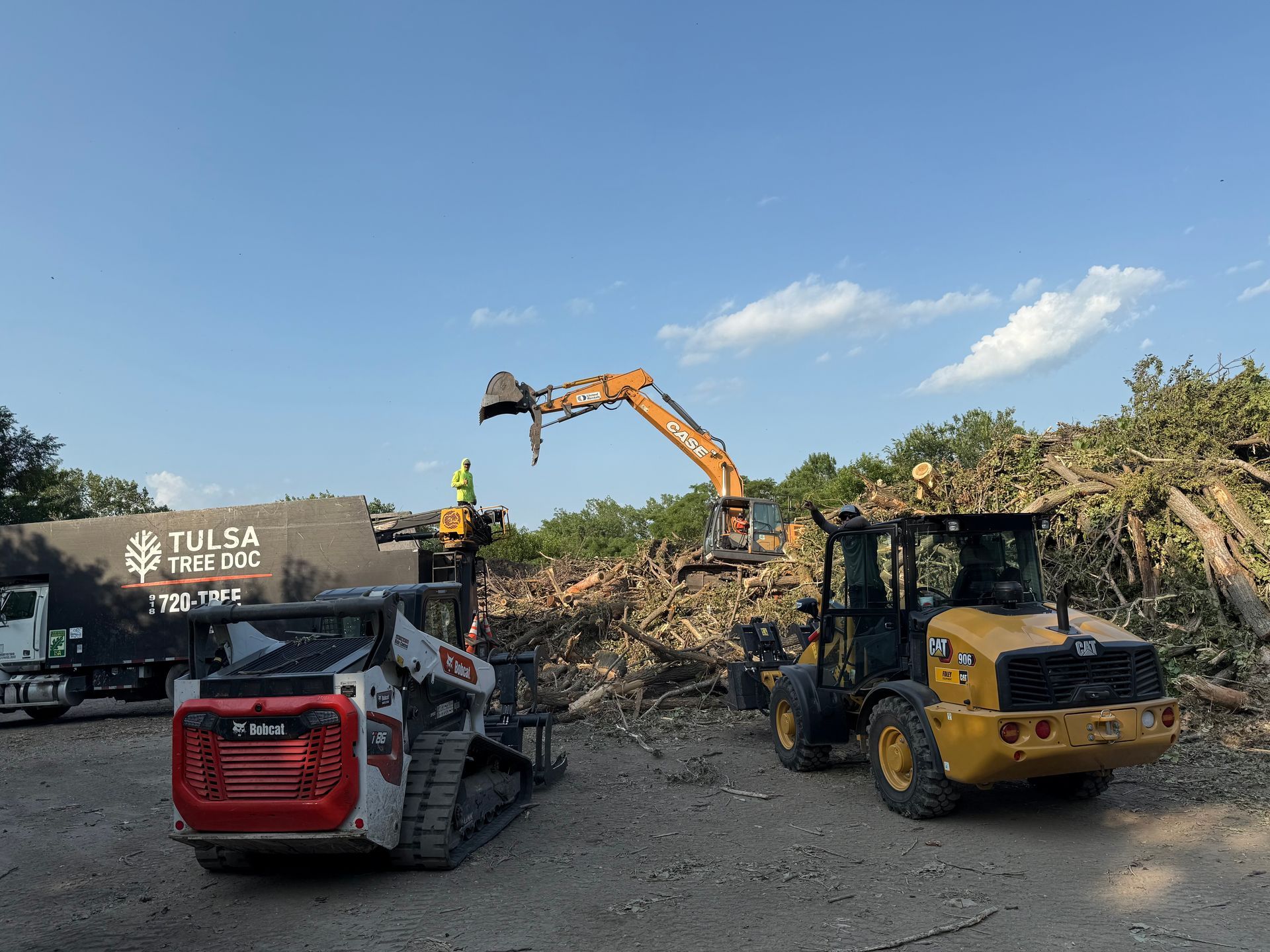
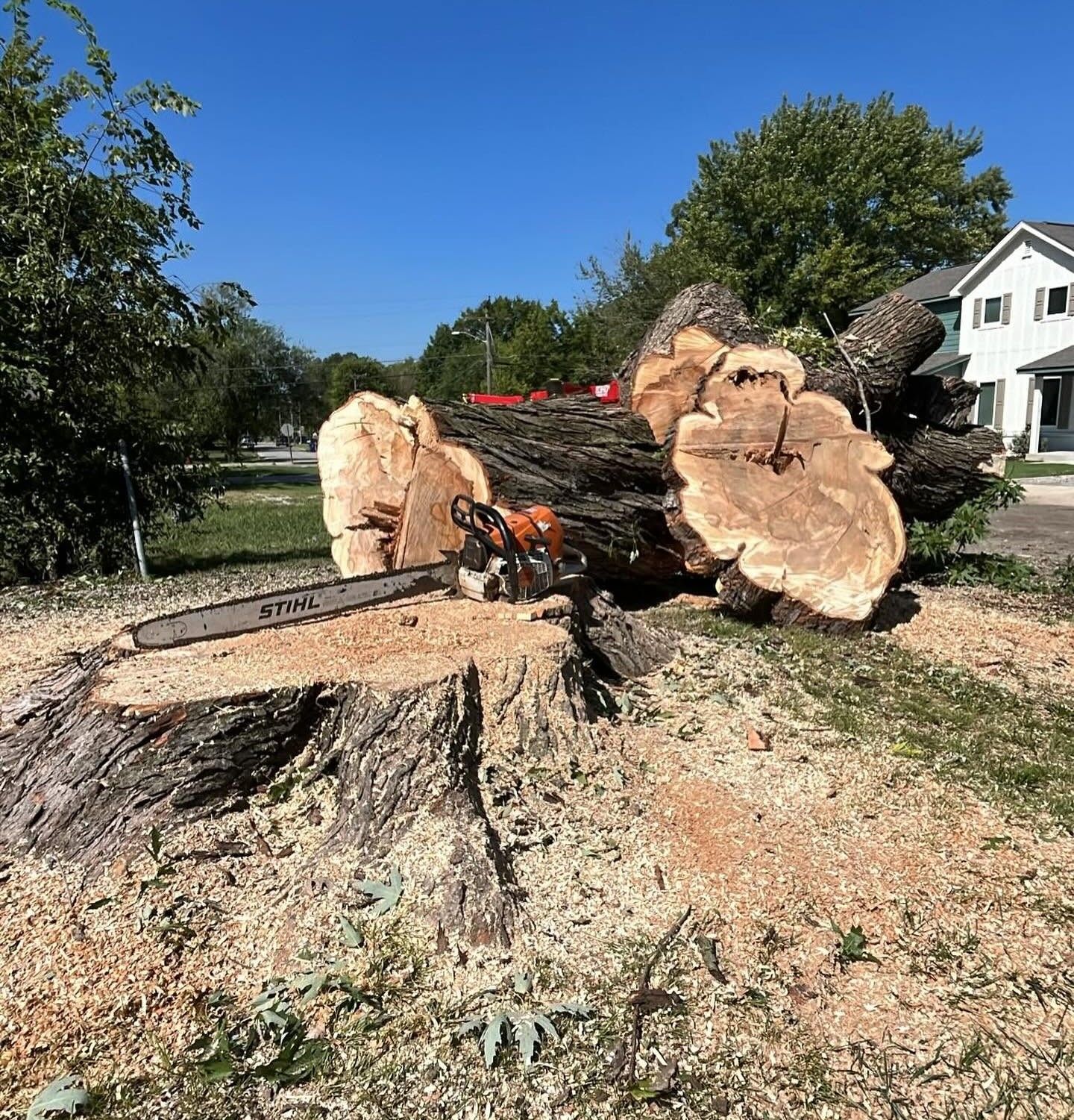
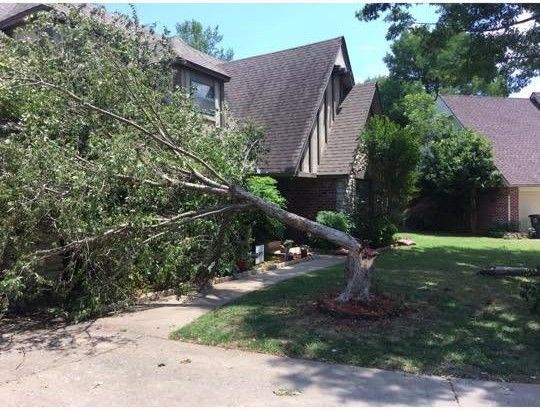
A wooded lot looks like opportunity. It also looks like a problem, depending on how early you start thinking about the trees.
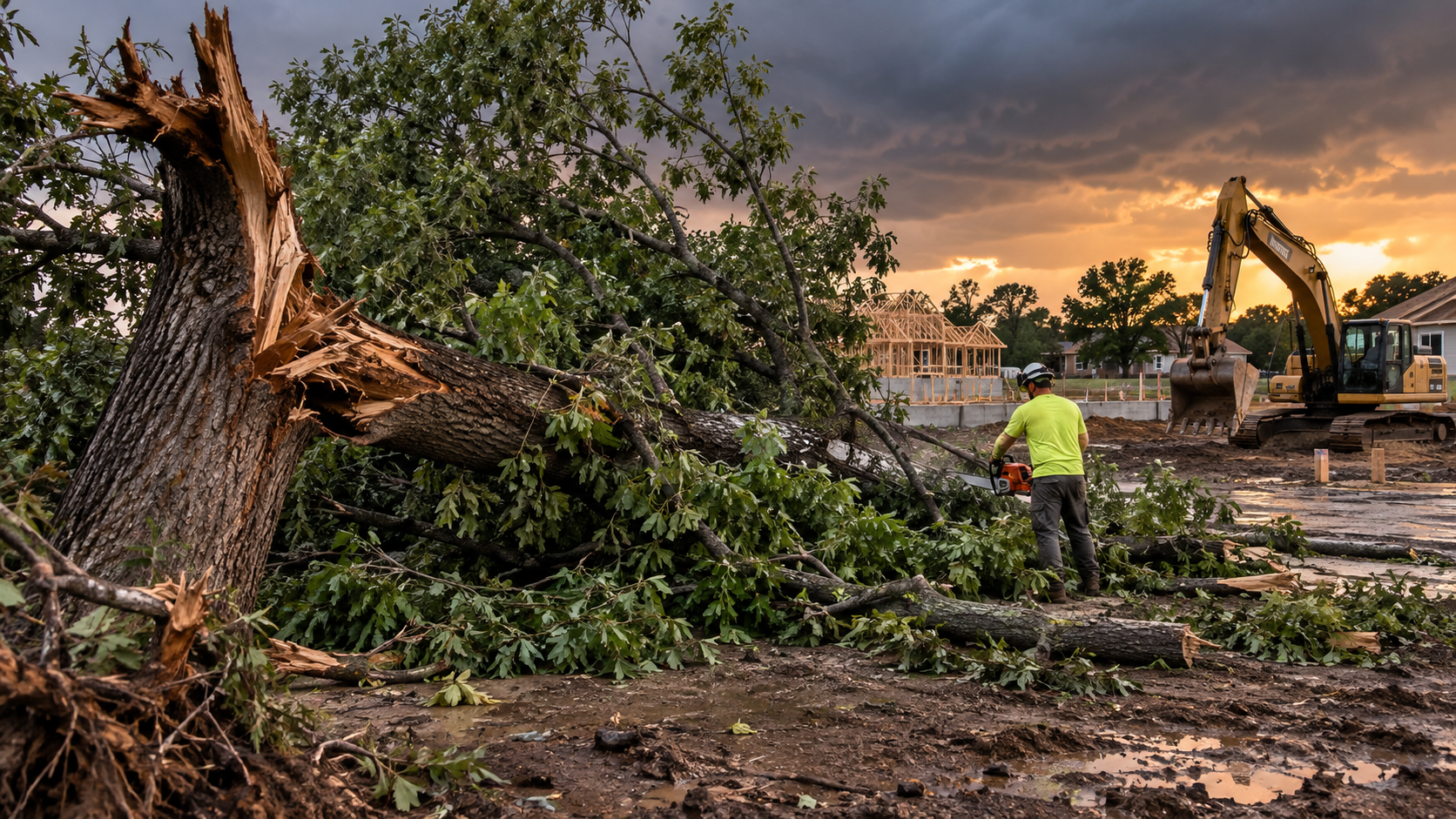
Large trees, uneven terrain, and root systems running in every direction complicate excavation, foundation work, and equipment access before a single subcontractor shows up. For contractors in Tulsa, removing trees from a wooded property isn’t just clearing—it’s sequencing. Get it wrong and you’re solving tree problems in phases where you shouldn’t have to think about them anymore.
Start With the Plans, Not the Chainsaw
Before anything gets cut, review the site layout and figure out exactly where clearing is necessary.
The building footprint is the obvious starting point. It’s not the only one. Trees also interfere with driveways, utility corridors, drainage work, equipment access, and staging areas.
Identify trees affecting:
- Building foundations and proposed structures
- Access roads and construction entrances
- Underground utility installations
- Excavation and grading operations
- Equipment staging and material deliveries
Establishing those boundaries early prevents unnecessary removal and keeps trees from becoming mid-project obstacles. For heavily wooded properties, professional
land clearing services can prepare designated construction areas while accounting for the full site plan.
Not Every Tree Needs to Come Down
Deciding what stays and what goes is one of the most important calls on a wooded lot.
Complete clearing makes sense on some developments. On others, preserving mature trees outside the construction footprint adds real value to the finished property.
But preserving a tree means more than confirming it sits outside the building footprint.
Excavation, soil compaction, and grading changes affect nearby root systems. A tree that looks like a solid preservation candidate can become unstable if construction disturbs its roots. A professional
tree health assessment identifies structural concerns before they become post-construction problems.
Remove Trees Before Excavation Starts
Excavation crews need room to maneuver, establish grades, dig foundations, and prepare utility trenches. A tree left too close to the excavation zone creates complications even when its trunk sits outside the building footprint.
Large roots extend into areas planned for foundations, utilities, and drainage. Excavating near retained trees can compromise their stability. Neither situation improves after the crew is already on site.
Before excavation begins, nail down:
- Whether trees interfere with equipment movement
- Whether root systems extend into planned construction areas
- Whether large trees restrict access to building pads
- Whether additional clearing will be needed in later phases
Find these issues during planning. Finding them after costs more in time and money than resolving them early ever would.
Stumps Don’t Disappear With the Tree
Removing a tree doesn’t make the area construction-ready.
Stumps and remaining roots interfere with grading, utility installation, and foundation prep. A stump in a future landscaping area is a different situation than one inside a proposed foundation or utility trench.
Professional stump grinding handles most above-ground obstacles. Clarify stump and debris requirements when establishing the original scope—so the excavation contractor knows what to expect when they arrive, not when they hit something unexpected.
Equipment Access Is Part of the Plan
Wooded lots create an access problem that catches contractors off guard.
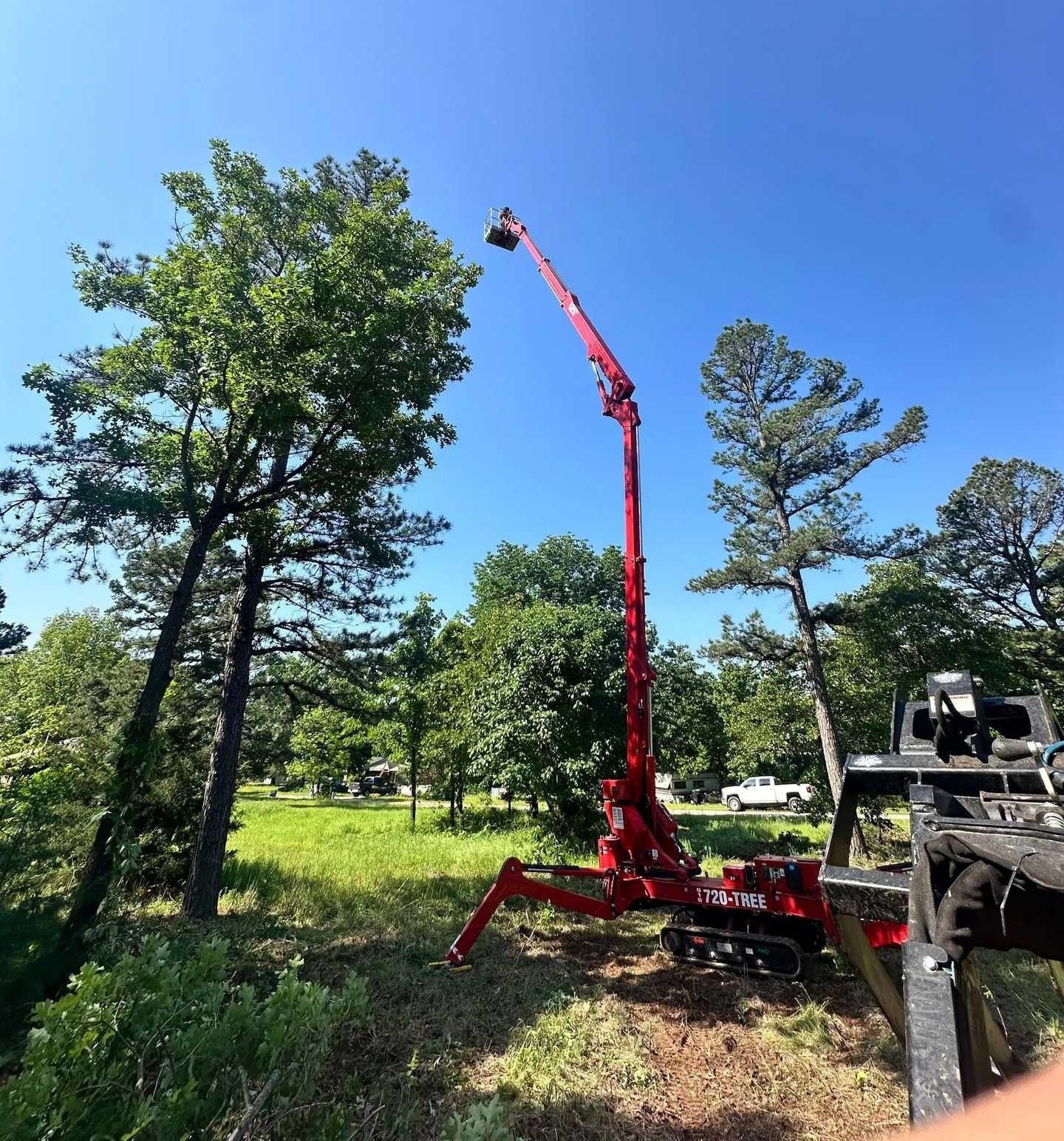
A property may have enough room for the proposed building but not enough clearance for tree removal equipment, excavators, and delivery vehicles. Entrance width, overhead clearance, and ground conditions all affect what gets in and when.
A logical removal sequence prevents trees from ending up trapped behind newly installed infrastructure—turning a straightforward removal into an expensive, complicated one.
Two Types of Contractors
Both build on wooded lots. Only one plans the tree work before it becomes a problem.
The first type treats clearing as something to figure out once excavation is ready to start. Discovers root systems in the foundation zone after the crew arrives. Deals with limited equipment access mid-project. Pays to solve problems that weren’t problems with earlier planning.
The second type builds clearing into pre-construction from day one. Walks the site before mobilization. Gets the tree assessment done early. Sequences removal around excavation, grading, and utility work. Shows up to the next phase with a site that’s actually ready.
Wooded lots reward contractors who treat trees as variables to manage, not surprises to react to.
Preparing a Wooded Lot for Construction in Tulsa
Successful construction on a wooded property starts with knowing what needs to come down before the project begins.
Identifying trees that conflict with construction, evaluating what’s worth preserving, planning equipment access, and addressing stumps before excavation starts—these aren’t afterthoughts.
They’re the difference between a project that runs on schedule and one that keeps getting interrupted by problems that should have been solved weeks earlier.
Tulsa Tree Doc provides professional
tree removal and commercial tree services for contractors, builders, and developers throughout Tulsa and surrounding communities.
Planning construction on a wooded property?
Contact Tulsa Tree Doc to discuss your site conditions and project timeline before work begins.