Bad subcontractors don't announce themselves upfront. They show up late, miss insurance requirements, or leave a stump where your foundation crew needs to pour. By then, you've already lost the day.
For general contractors in Tulsa, picking the right tree removal subcontractor isn't a box to check. It's a decision that determines whether your site stays on schedule or turns into a liability nobody wants to own.
Why the Wrong Hire Costs More Than the Invoice
A cheap subcontractor looks like a win until the first missed deadline.
Tree work touches everything downstream — grading, excavation, utilities, foundation pours. A subcontractor who shows up without the right equipment, or without a plan for the specific site conditions, doesn't just slow down their own scope. They stall the entire project.
The real cost of a bad hire shows up as:
- Rescheduled crews sitting idle
- Damage to structures, utilities, or neighboring property
- Liability exposure if someone gets hurt
- Rework when a stump or root system wasn't handled correctly
- A relationship you now have to end mid-project
Get the hire right, and none of this happens.
Licensing and Insurance Aren't Optional Checkboxes
This is the first filter, not the last one.
Ask for proof of general liability insurance and workers' comp before anyone sets foot on your site. A subcontractor who hesitates here, or offers a "we'll get that over to you" instead of documentation, is telling you something important.
Commercial-grade tree work carries real risk. Falling limbs, heavy equipment, crews working near active construction — insurance protects your project and your business if something goes wrong. Skip this step, and you're the one holding the liability when it does.
Look for Experience With Active Construction Sites
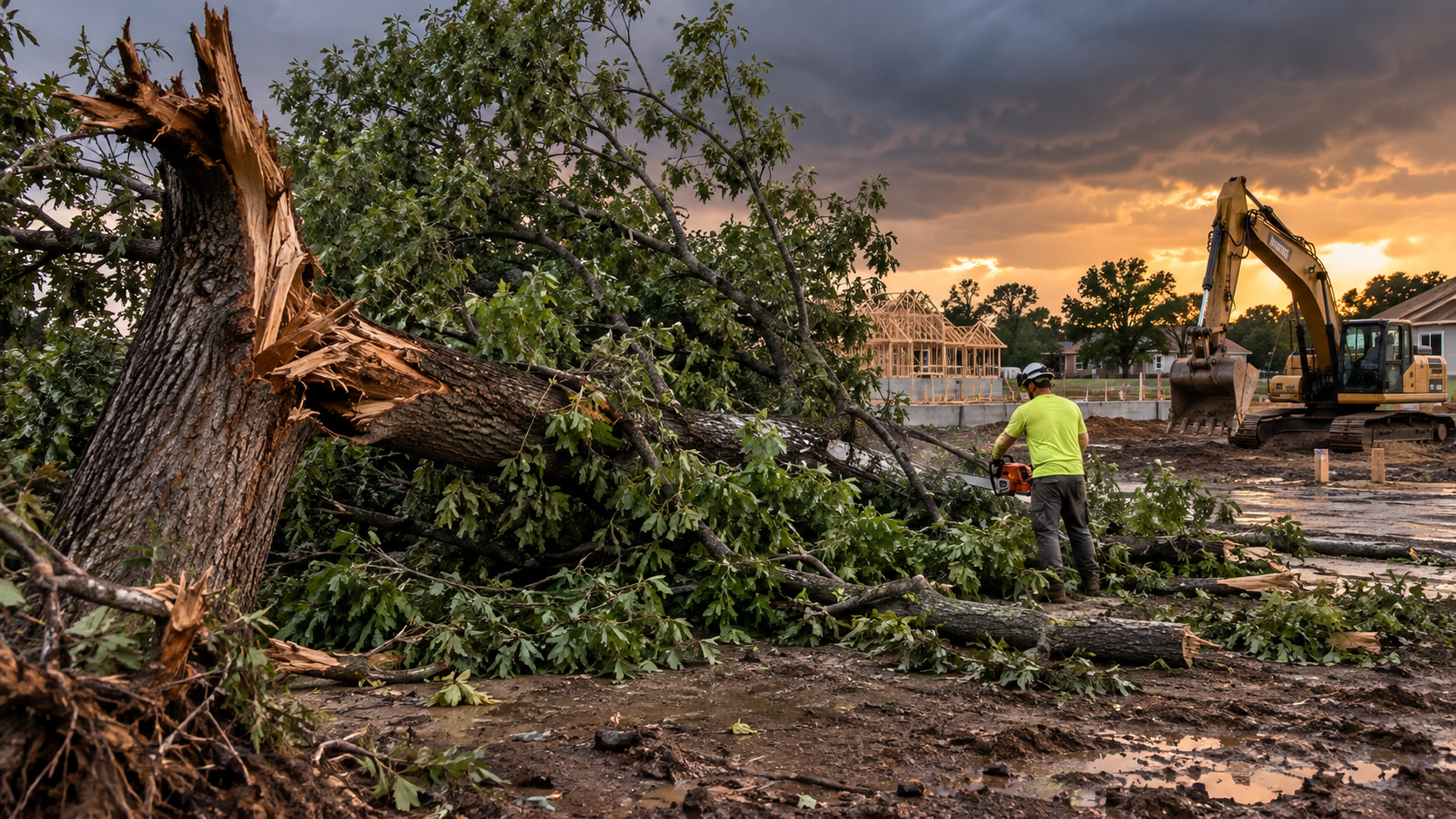
Removing a tree from a quiet residential yard is nothing like removing one from a live jobsite.
A
professional tree removal subcontractor who's worked construction sites understands things a residential-only crew won't:
- How to coordinate drop zones around equipment and structures
- How to sequence tree work with grading and excavation
- How to protect utilities, access roads, and neighboring trees
- How to communicate delays or site conflicts before they become your problem
Ask directly: "Have you worked active construction sites in the Tulsa area before?" If the answer is vague, keep looking.
Ask What Happens After the Tree Comes Down
A tree hitting the ground is only half the job.
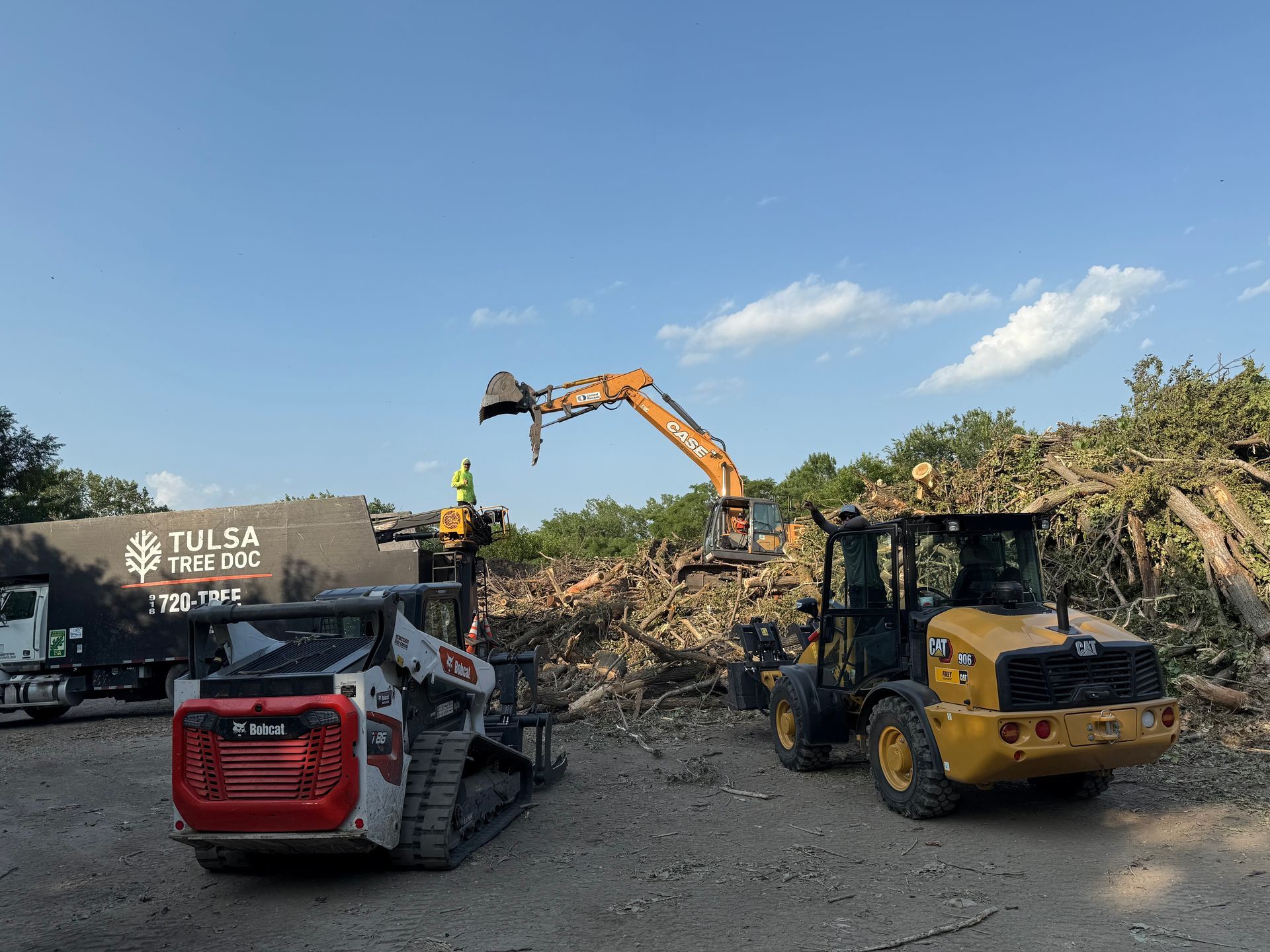
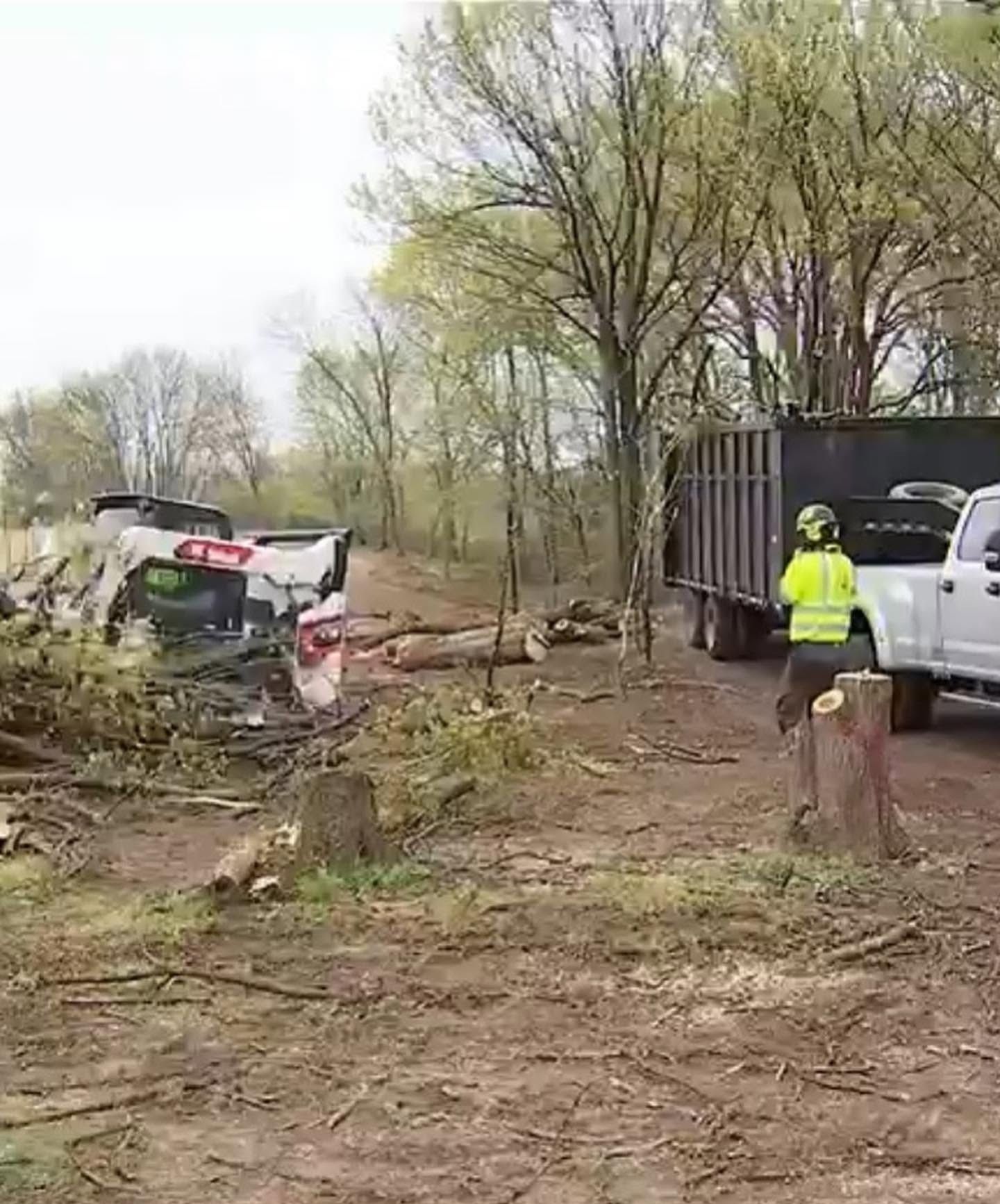
A subcontractor worth hiring has a clear answer for what happens next — debris removal,
stump grinding, root management, and whether the site needs additional clearing before the next phase starts. If they don't bring this up unprompted, ask.
Questions worth putting in front of every bid:
- Is stump grinding included, or billed separately?
- Who hauls the debris off site?
- How do you handle root systems that interfere with excavation?
- What's your plan if a tree is bigger or more complex than expected?
Vague answers here usually mean surprises later.
A Real Tree Health Assessment Beats a Guess
Not every tree on the site needs to come down, and a subcontractor who treats every tree the same isn't doing you any favors.
A
tree health assessment identifies which trees are structurally sound enough to survive construction and which ones are already a liability. This matters most around mature trees you want to keep — soil compaction and equipment traffic damage roots long before the trunk shows any sign of trouble.
A subcontractor who can tell you what to keep, not just what to cut, is worth the extra conversation.
Trimming Should Be Part of the Conversation, Not an Afterthought
Full removal isn't always the right call, and a good subcontractor knows it.
Sometimes
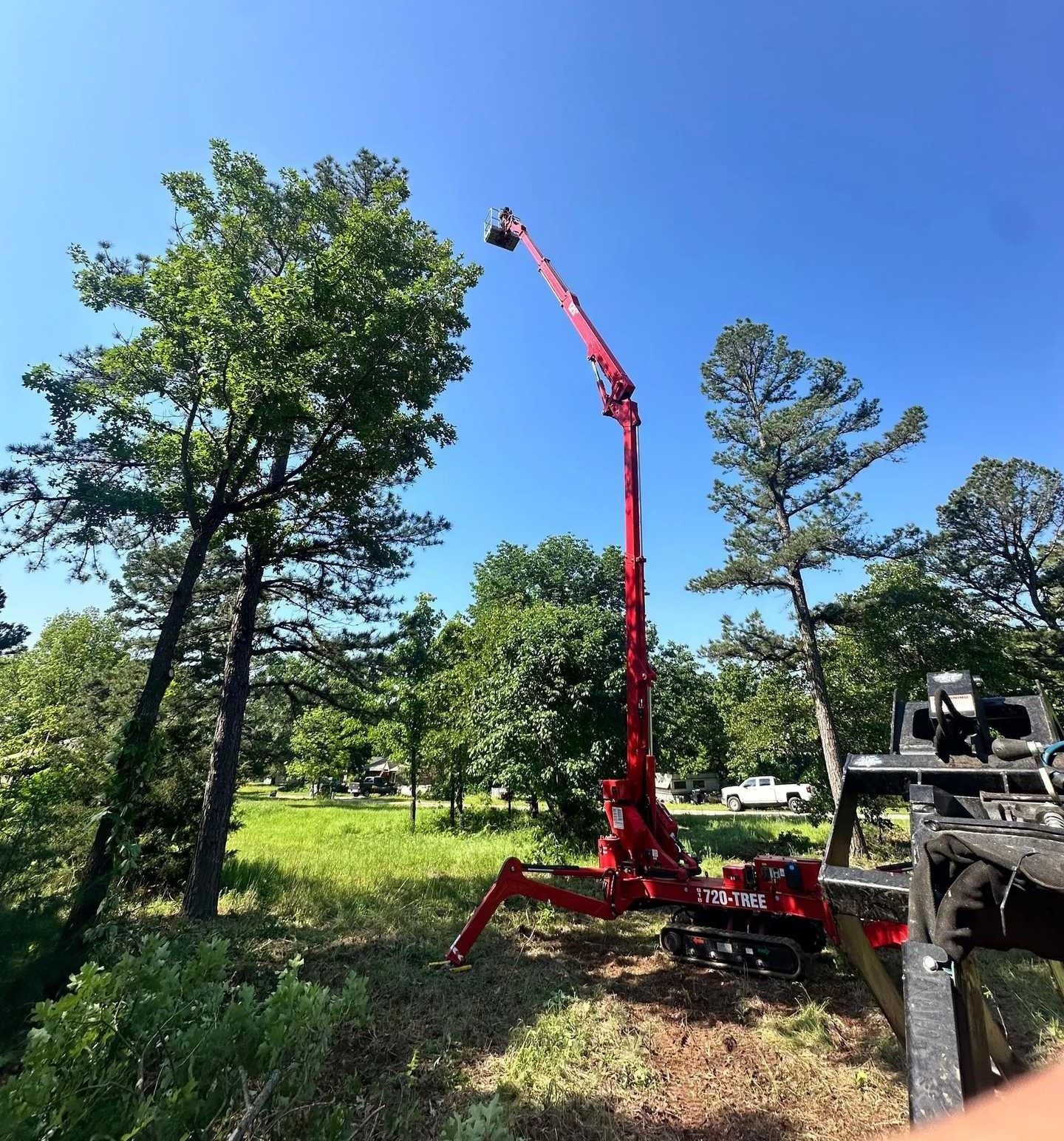
tree trimming solves the access problem without taking the whole tree down — clearing branches in the way of scaffolding, cranes, or roof work while keeping a healthy tree standing. A subcontractor who only offers removal, and never mentions trimming as an option, is leaving money and mature trees on the table unnecessarily.
Storm Damage Response Tells You a Lot
Ask how a subcontractor handles emergency situations, even if your current project doesn't need it yet.
A subcontractor with real
storm damage cleanup experience knows how to move fast on hazardous trees — downed limbs, compromised trunks, unstable root systems. That same skill set is exactly what you want on hand if a tree on your site turns out to be more dangerous than it first appeared.
Check Their Track Record, Not Just Their Pitch
Anyone can sound confident in a bid meeting. Track record tells the real story.
Before signing anything:
- Read their
reviews
and look for patterns, not just star ratings
- Ask for references from other contractors, not just homeowners
- Look at their
gallery
for evidence of commercial and construction-site work, not just backyard jobs
- Ask how long they've operated as a commercial tree company in the Tulsa area
A subcontractor with a real history of commercial work will have answers ready. One without that history will get uncomfortable fast.
The Subcontractor Relationship That Actually Works
The best tree removal subcontractors don't disappear after one job. They become a resource you call every time a project needs removal, trimming, stump grinding, or an assessment before groundbreaking.
Build that relationship once, and you stop reinventing the wheel on every new site. You know their response time, their communication style, and their work quality before the first cut is ever made.
Partner With Tulsa Tree Doc for Your Next Project
The right tree removal subcontractor keeps your project moving instead of becoming the reason it stalls. Insurance, experience, a clear plan for stumps and roots, and a track record on commercial sites — that's the baseline, not the bonus.
Tulsa Tree Doc works with general contractors, builders, and commercial clients throughout the Tulsa area on removal, trimming, stump grinding, and site clearing for active construction projects. Want to know more about our background and approach? Visit our
about page, or get answers to common questions on our
FAQs
page.
Have a project that needs a tree removal subcontractor you can actually count on?
Contact Tulsa Tree Doc before your next site walk.