Some trees need a haircut. Others need to go. The hard part is telling them apart.
Remove a tree that had decades left, and you’ve paid to lose shade, property value, and curb appeal. Keep pruning one that’s already failing, and you’re paying to postpone the same bill. Both mistakes cost money.
Here’s how to read the warning signs, make the right call, and know when a certified arborist should weigh in.
When Tree Trimming Is the Right Call
Trimming is for healthy trees with isolated problems. The trunk is sound. The roots are solid. A few branches are the issue. Good
tree trimming in Tulsa improves structure, extends the tree’s life, and lowers risk without losing the tree.
Trimming usually makes sense when you have:
- Dead, dying, or diseased branches in an otherwise healthy canopy. (The tree is fine. The branch isn’t.)
- Limbs rubbing against your roof, siding, or gutters. (Small damage now, big repairs later.)
- Branches growing into or near power lines. (Leave this one to the pros.)
- A dense canopy blocking light and airflow. (Thinning helps the tree breathe.)
- Heavy, overextended limbs putting uneven weight on the tree. (Gravity always wins eventually.)
- Low branches blocking driveways, sidewalks, or sightlines. (Easy fix, big difference.)
Pruning is a core part of tree care, not a cosmetic extra. Done right, it takes only what the tree can afford to lose. The usual guideline is no more than a quarter of the live canopy in one season. Go heavier and you’re not pruning, you’re topping. Topping a tree is like fixing a leaky faucet with a sledgehammer. It stresses the tree and triggers weak, fast-growing shoots that snap in the next storm.
Timing matters too. Some species do better when pruned in the dormant season. Ask before you schedule.
When Tree Removal Makes Sense
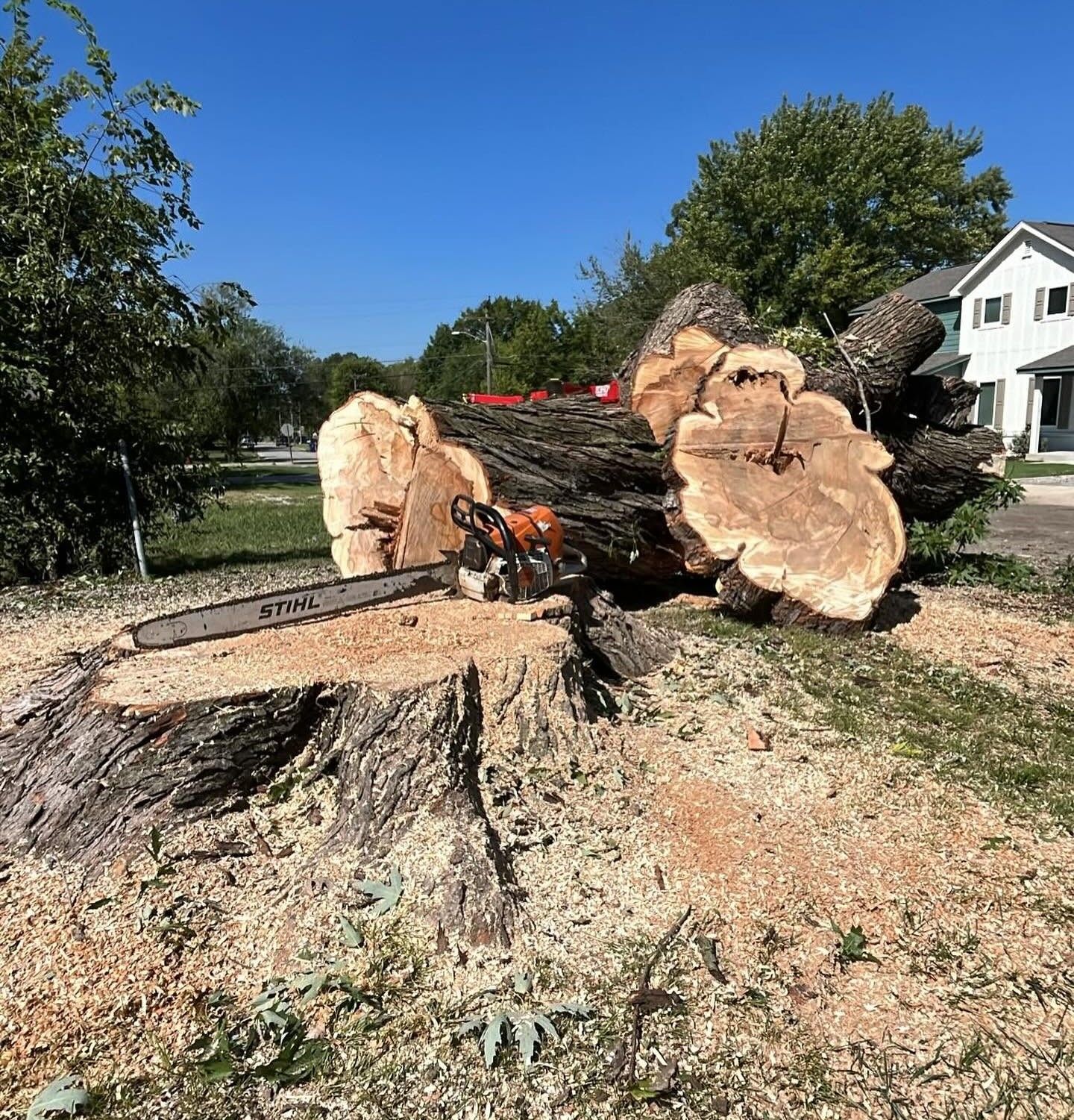
Removal is for trees where the problem is the tree itself. If the trunk, roots, or structure are compromised, trimming just buys time.
Consider
tree removal in Tulsa if you see:
- Trunk cracks, splits, or large cavities. These are structural failures, and they rarely heal.
- More than half the canopy dead or bare. A tree that can’t leaf out normally is usually in decline.
- Fungus at the base or on the trunk. Mushrooms and conks often mean decay on the inside.
- A new or worsening lean. A tree that’s leaned for decades is one thing. A tree that started leaning after a storm is another.
- Root damage. Construction, trenching, flooding, and shifting soil can destabilize a tree even when the top looks great.
- Poor location. Some trees are simply too close to a home, foundation, or utility line to grow safely.
One of these deserves attention. Two or more usually means the tree has run its course.
Storm-Damaged Trees
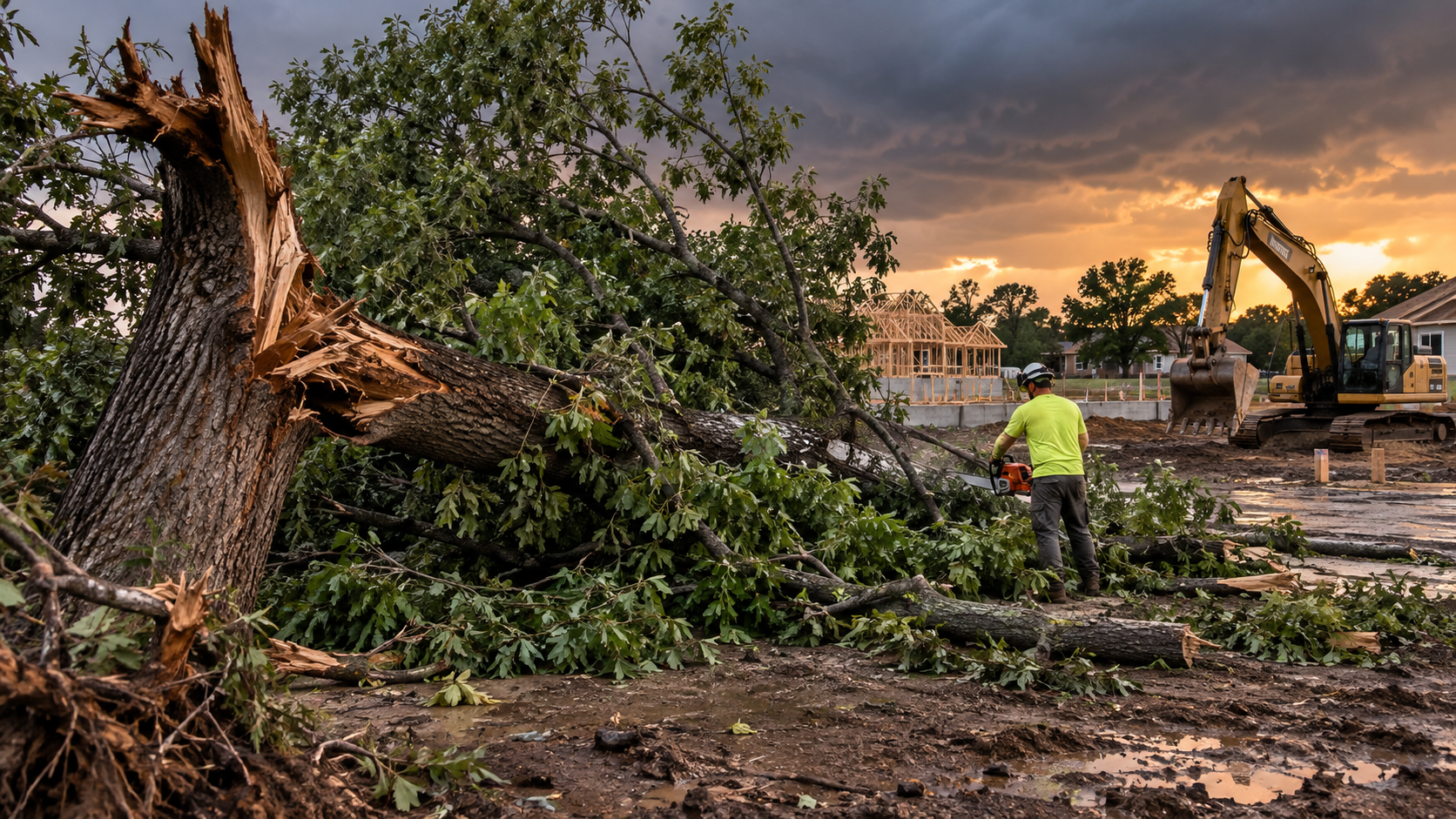
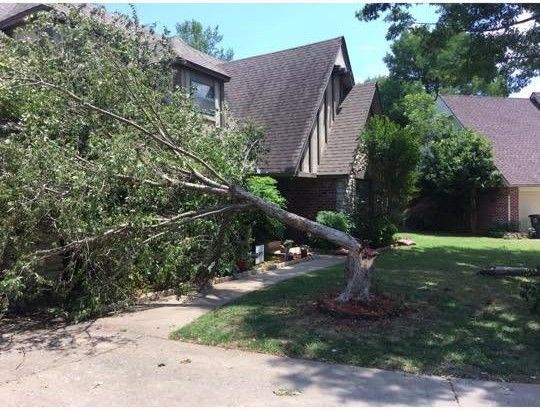
Oklahoma weather is rough on trees. Wind, ice, and saturated soil can crack trunks and loosen roots without ever knocking the tree over. Surviving the storm doesn’t mean it’s safe.
If a limb has fallen or a trunk is leaning after severe weather, keep people and vehicles clear. Professional
storm damage cleanup handles the removal safely, especially when power lines or structures are involved.
Not Sure? Start With a Tree Health Assessment
Plenty of trees land in the gray zone. The canopy looks thin. There’s a small cavity. The lean might be getting worse, or might not. That’s when an expert opinion pays for itself.
A
tree health assessment checks what you can’t see from the yard: root condition, internal decay, structural defects, pest and disease pressure, and overall vigor. A certified arborist can tell you if the tree needs trimming, monitoring, or removal.
When you’re comparing any tree service in Tulsa, ask:
- Who will evaluate the tree, and what are their credentials? (Anyone can buy a chainsaw.)
- Is the recommendation based on the tree’s condition or the easiest job? (There’s a difference.)
- Are there options between “leave it” and “remove it”? (Often, yes.)
- Is the company insured? (Non-negotiable.)
A good company explains its reasoning. If someone recommends removal and can’t say why, get a second opinion.
Cost and Safety: What to Keep in Mind
Trimming costs less up front. But cheaper isn’t always better value. Repeated trimming on a failing tree adds up fast, and an emergency removal after a storm almost always costs more than a planned one.
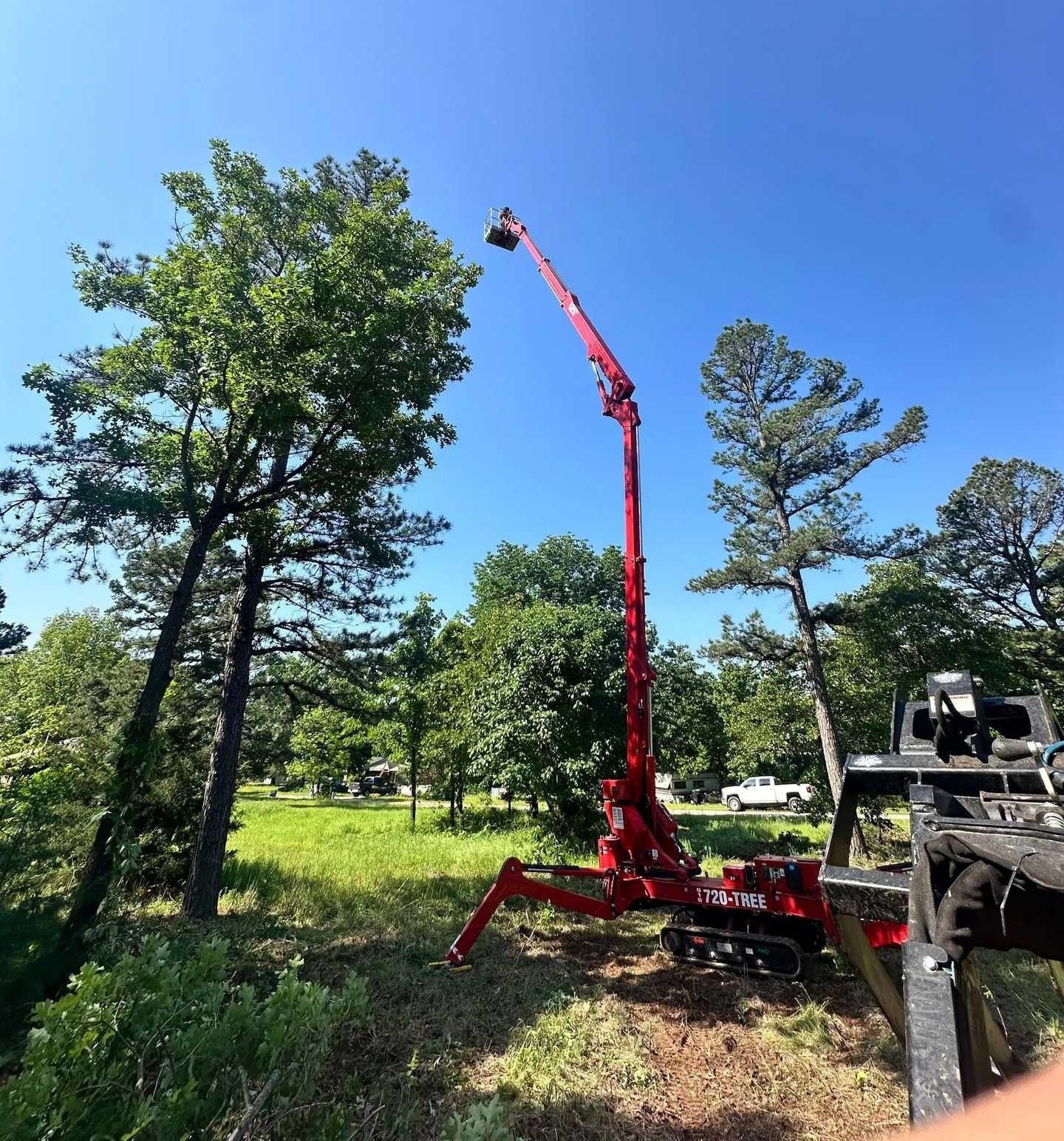
Safety matters more than price. Big limbs weigh more than they look. Chainsaw work from a ladder is how people end up in the ER. Anything near power lines, over a structure, or too heavy to control from the ground belongs to a trained crew.
Plan for the Stump
The tree is gone. The stump isn’t. It’s a trip hazard, a magnet for pests, and a roadblock for landscaping or construction.
Stump grinding clears it below grade so you can replant, lay sod, or build. Book it with the removal and you only pay for one visit.
The Bottom Line
Trim when the tree is healthy and the problem is limited to certain branches. Remove when the trunk, roots, or structure can’t be trusted. Can’t tell which one you’ve got? Have a certified arborist look before you commit to either.
Talk to a Tulsa Tree Care Team
Tulsa Tree Doc provides tree trimming, tree removal, and full tree service for homeowners and property owners across the Tulsa area. Not sure what your tree needs?
Contact us and we’ll help you figure it out.