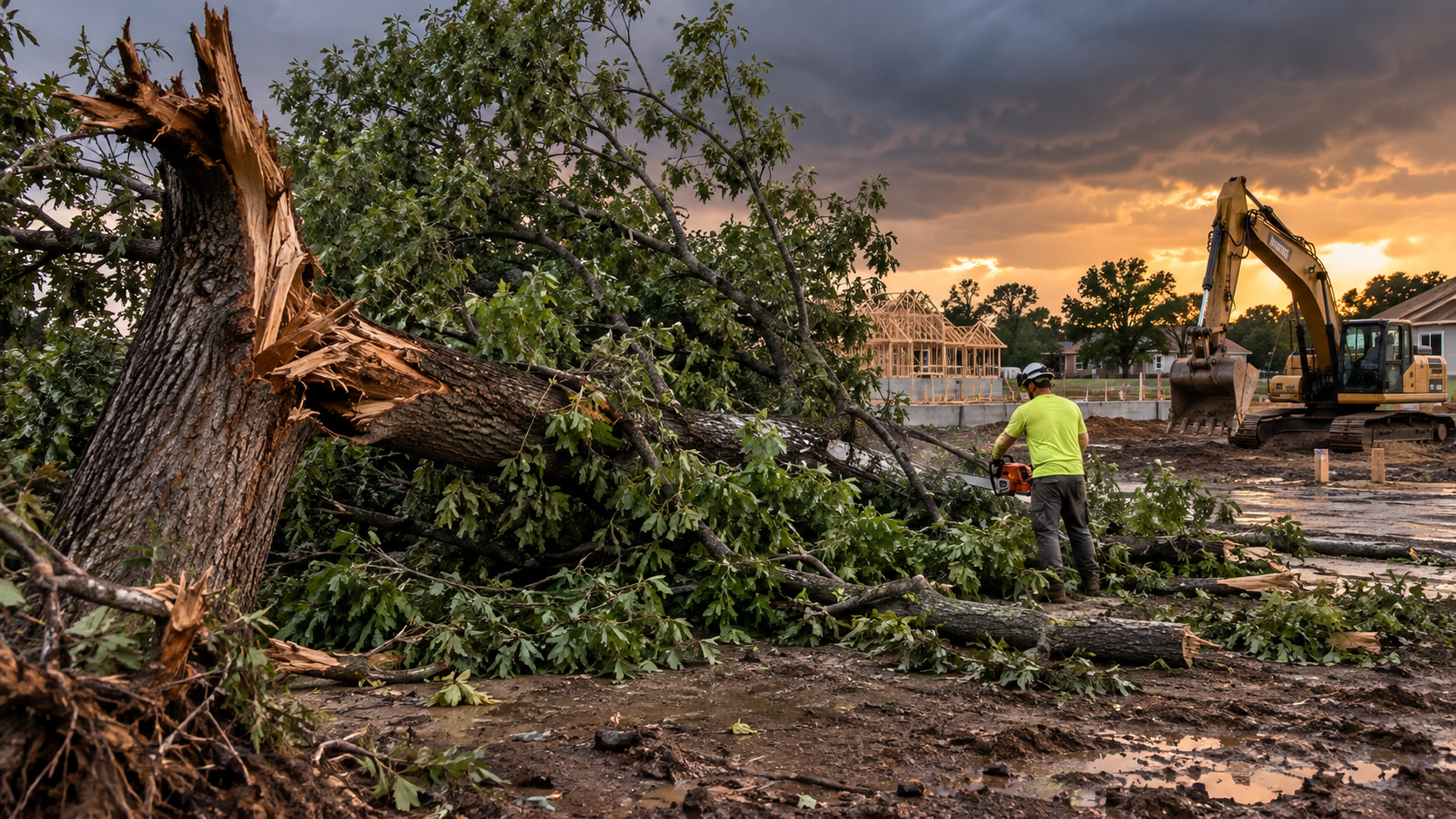
Trees don't care about your construction schedule. Ignore them, and they'll write your delays for you.
Before the first shovel hits dirt in Tulsa, before equipment rolls onto the lot, trees standing inside the footprint or crowding the access road are already a liability. Not a maybe. A guarantee, if nobody deals with them first.
For contractors and developers across Tulsa,
tree removal before construction isn't a landscaping errand. It's a decision tree: what stays, what goes, what roots are going to fight you underground, and how you protect what you keep.
Plan for Trees Like You Plan for Utilities
The most expensive mistake in site prep is treating trees as an afterthought.
Once crews are mobilized and equipment is running, a tree nobody flagged becomes the reason everything stops. Catch it during planning, and it's a line item. Catch it during excavation, and it's a crisis.
Here's when a tree becomes your problem:
- Sits inside the building footprint
- Blocks excavation or grading
- Chokes off truck and equipment access
- Crosses planned utilities, drainage, or driveways
- Has roots reaching into your work zones
- Carries dead or compromised limbs
- Threatens workers or nearby structures
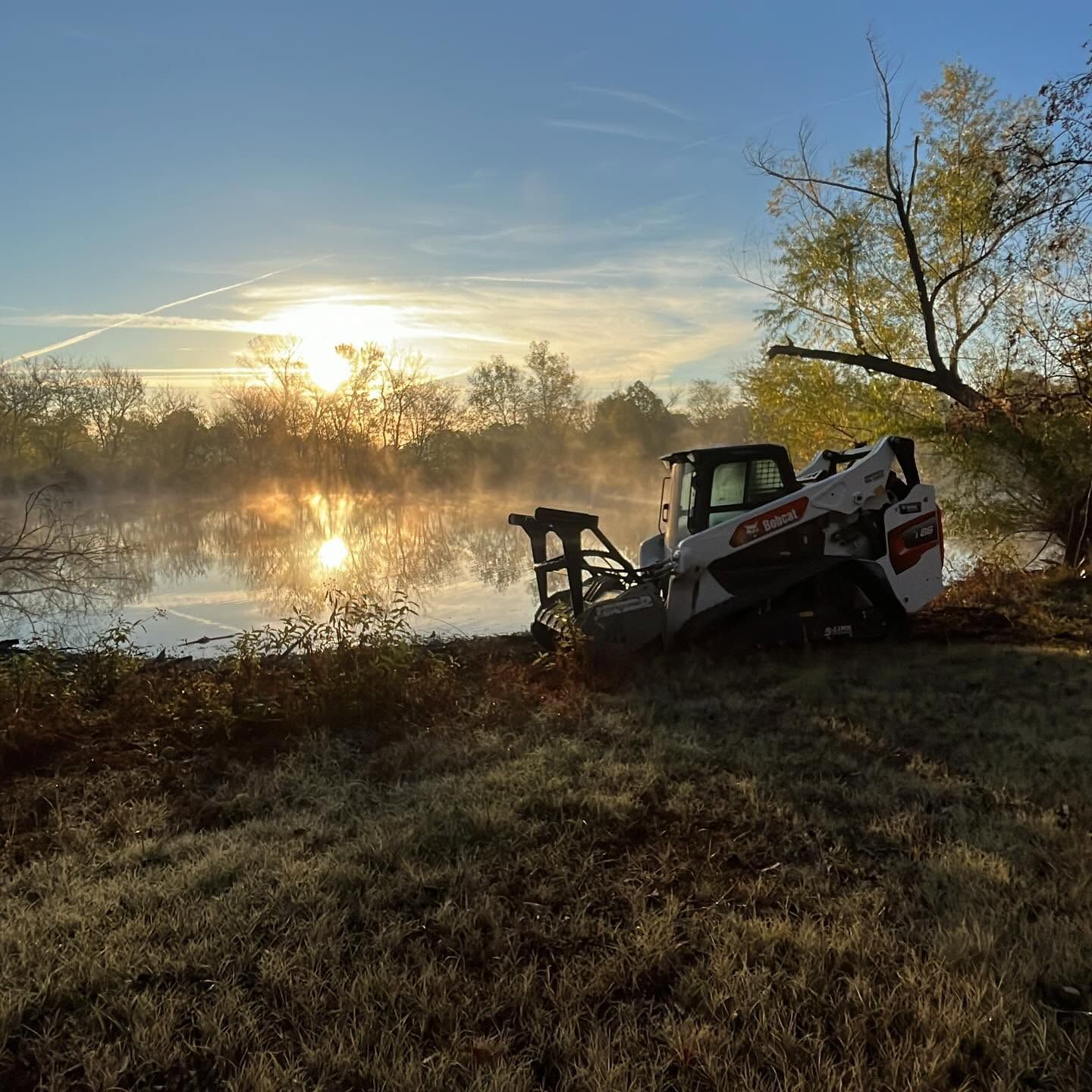
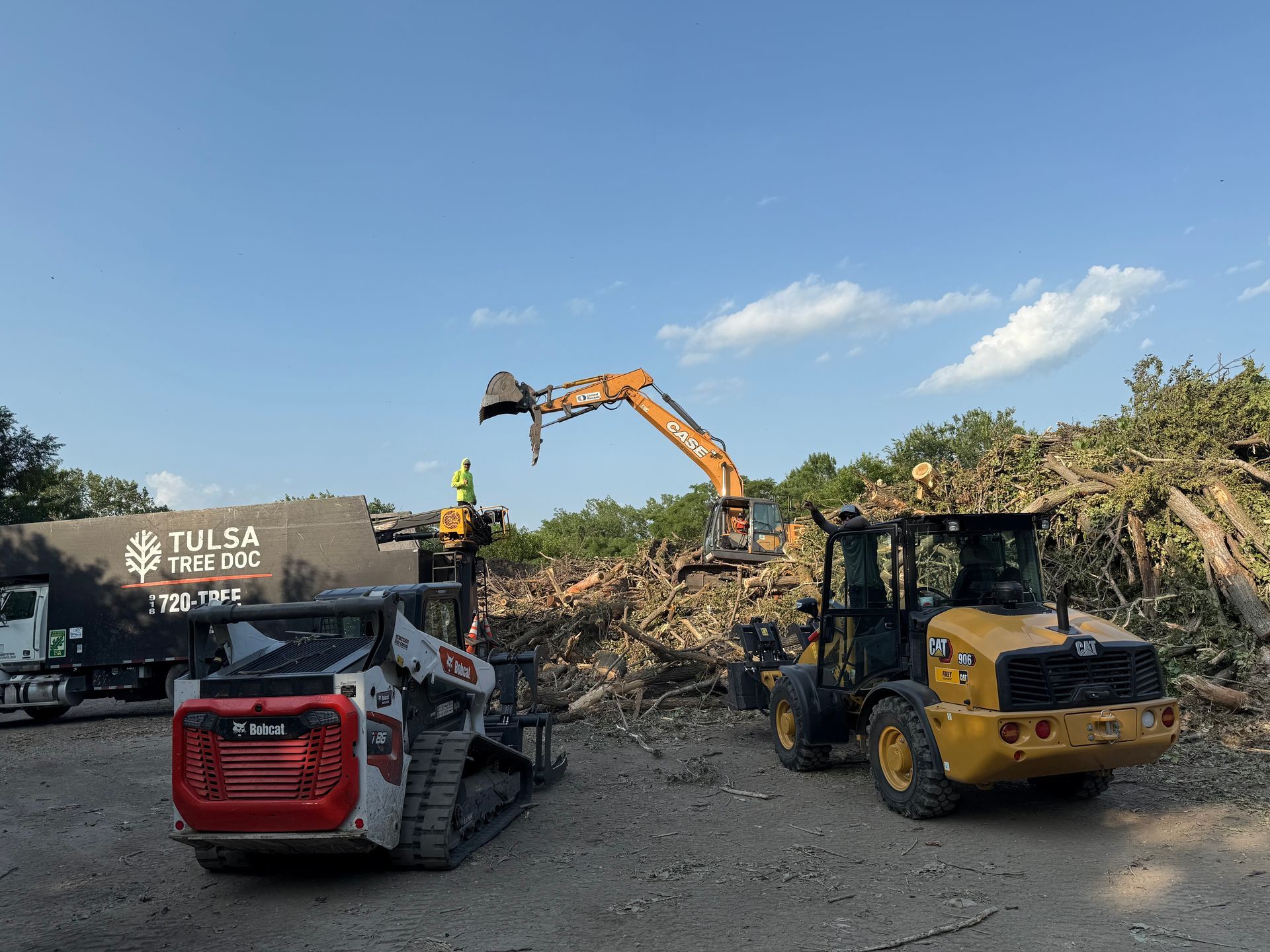
Heavy vegetation on site? Bring in professional
land clearing services before major work starts.
Clearing the Site Doesn't Mean Clearing Everything
Not every tree needs to go.
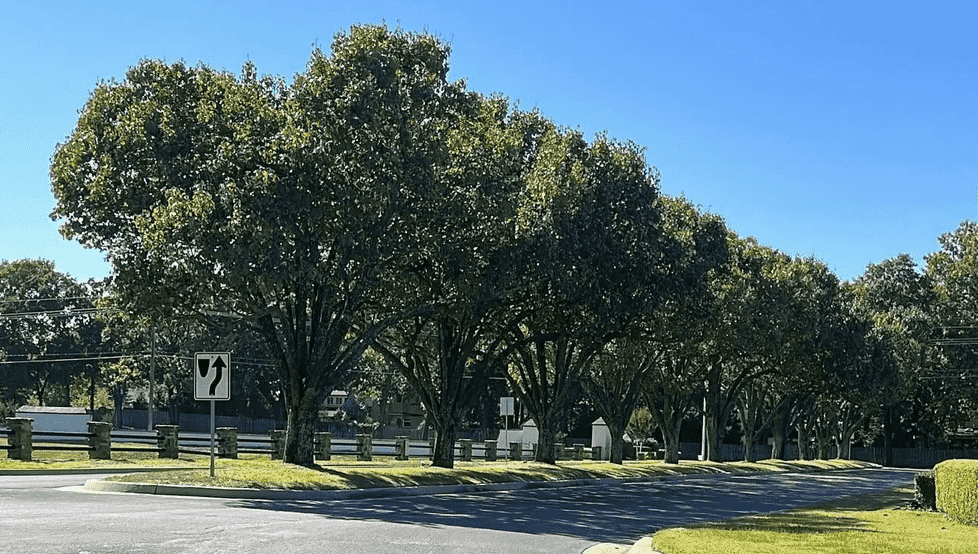
A mature, healthy tree adds shade and value to the finished project. Selective removal gets contractors the space they need without torching every tree on the lot.
The real question isn't "does this tree look fine." It's "will this tree survive the next eighteen months."
A professional
tree health assessment catches what a walkthrough misses — structural weaknesses, root damage, decline that hasn't shown up yet. Soil compaction and equipment traffic hurt roots even when nobody touches the trunk.
A tree that looks healthy today can be a liability by the time you're pouring foundations.
Construction Sites Aren't Backyards
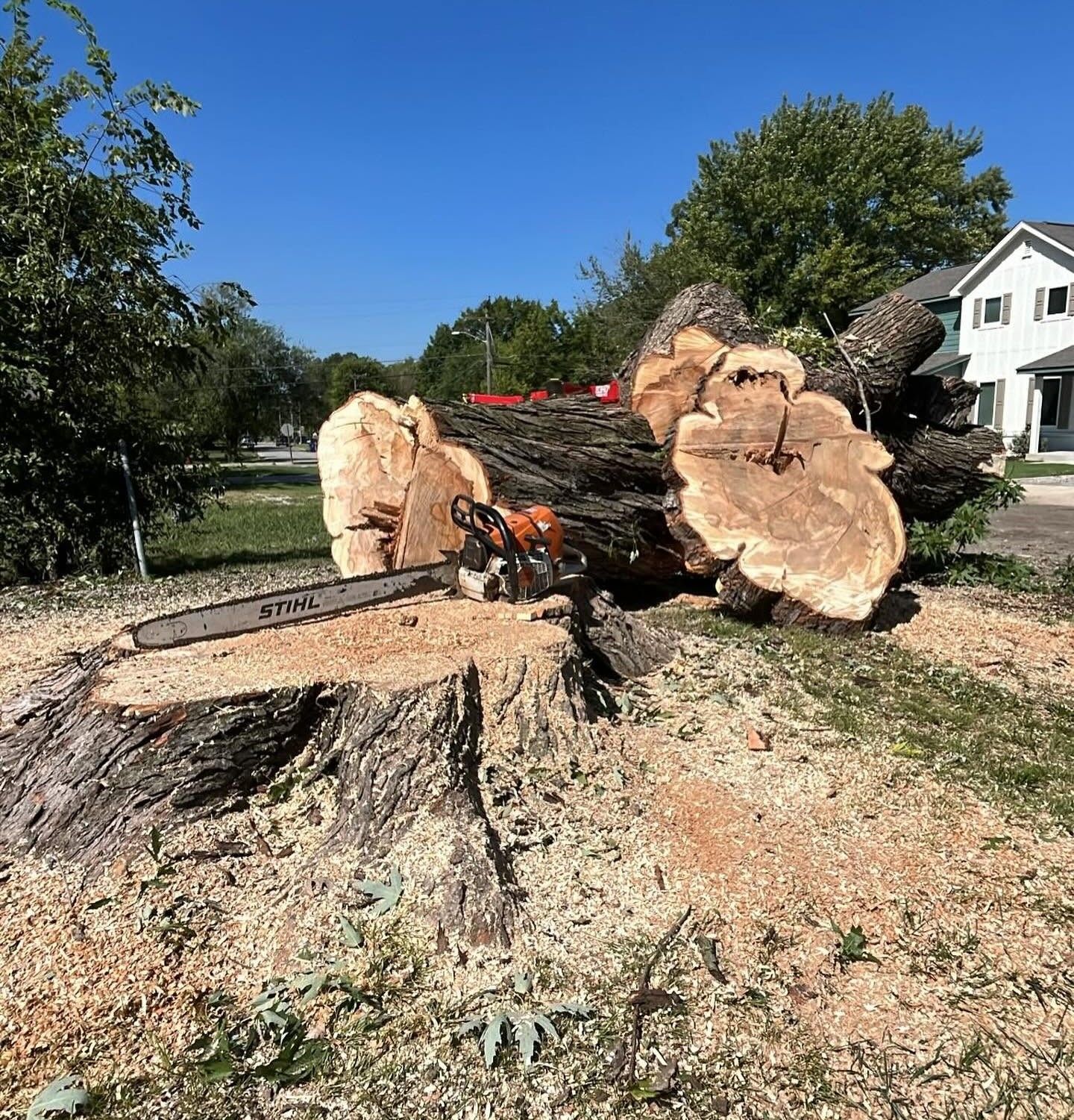
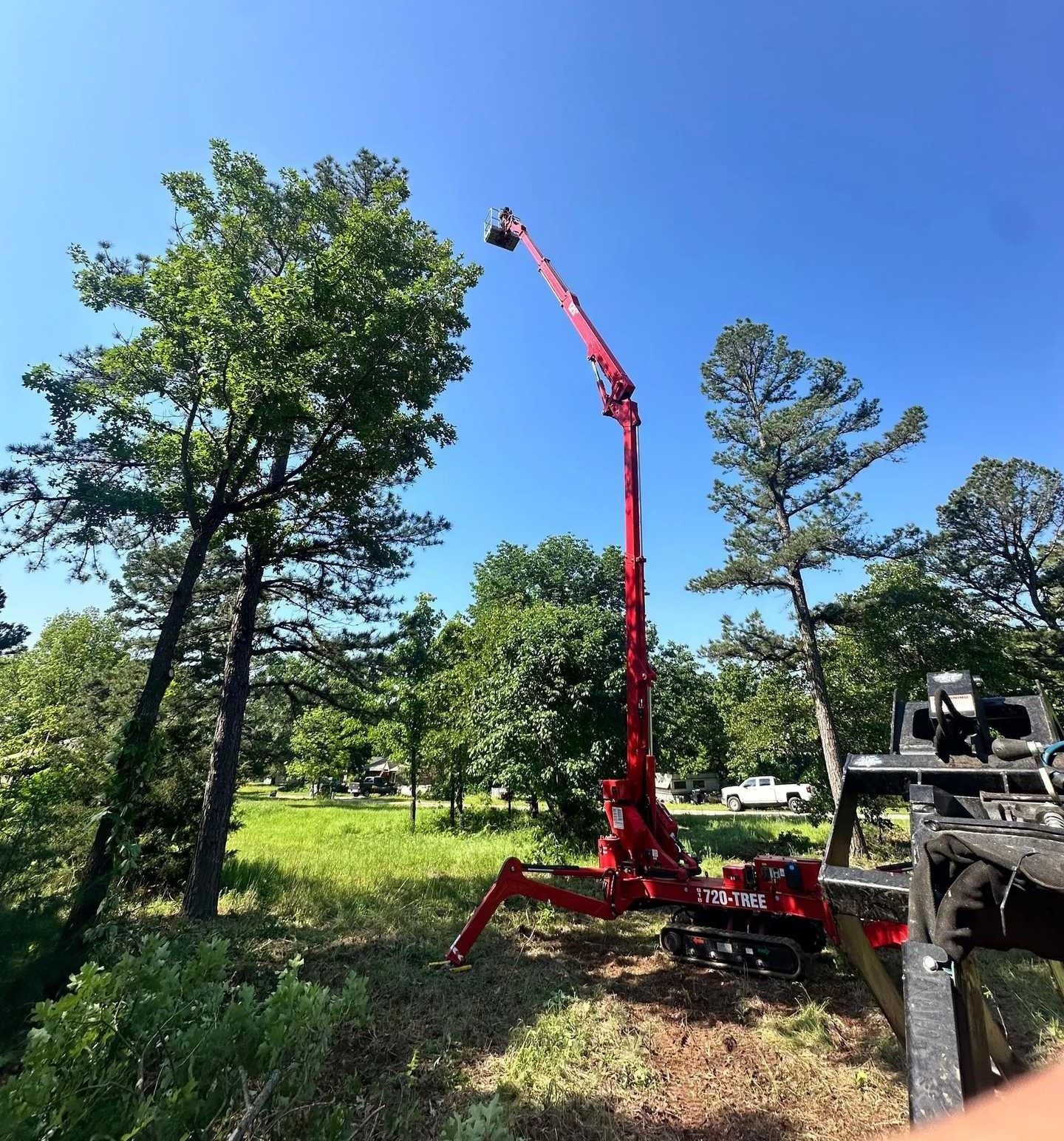
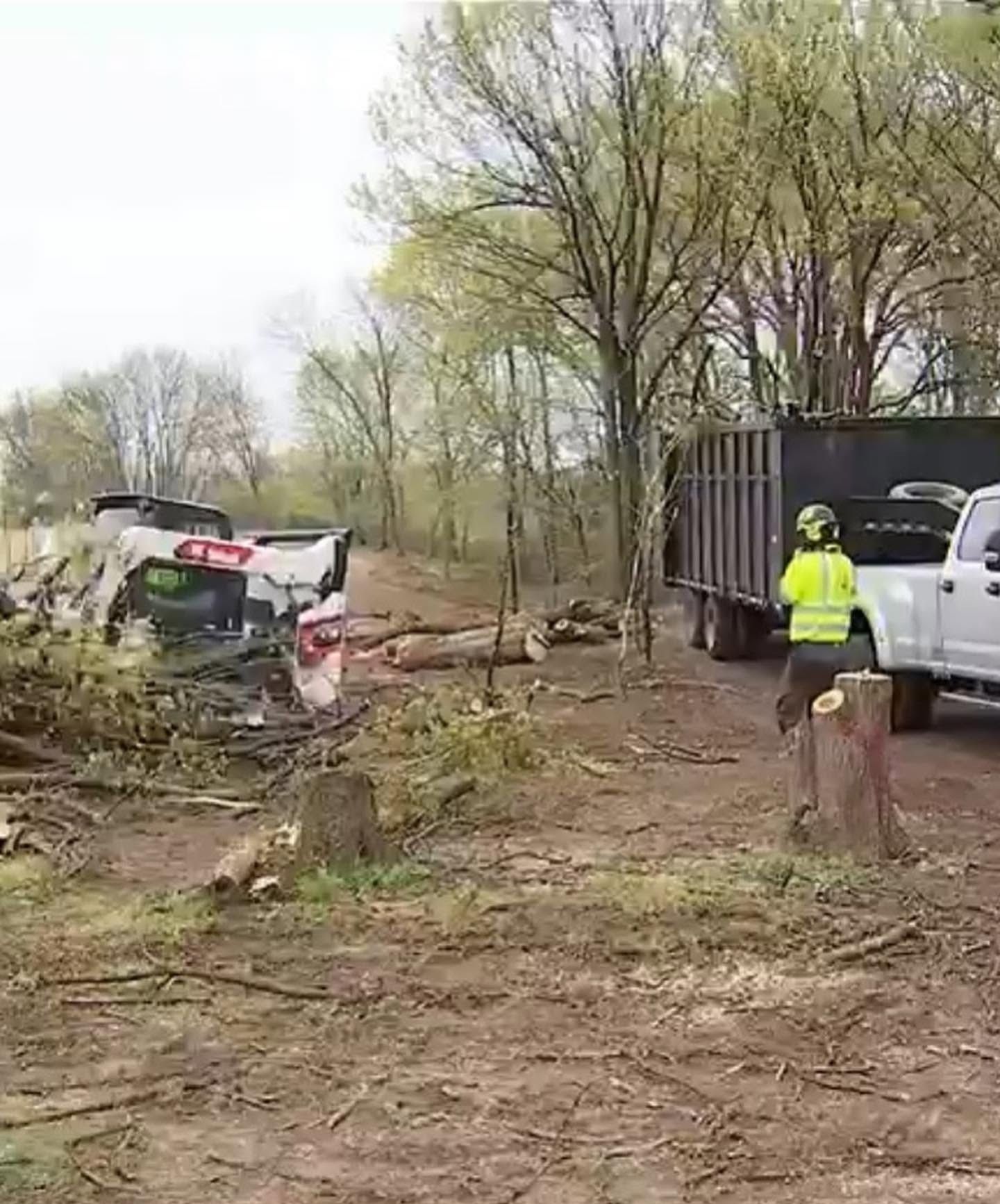
Taking down a tree in an open yard is simple. Taking down several trees on an active site — tight access, nearby structures, live utilities, equipment everywhere — is a different job entirely.
Professional crews match their technique to the site: cutting, rigging, lowering, whatever the conditions demand. There's no universal method here.
And the tree hitting the ground isn't the finish line. Nail these down before work starts:
- Are logs and debris leaving the property?
- Does the stump get ground out?
- Will leftover roots mess with excavation?
- Does the area need more clearing after the tree's gone?
- Are you protecting the trees you're keeping?
- Where does tree work fall in the sequence with grading and excavation?
Answer these early, and tree work never stalls the rest of the project. Curious what this looks like in practice? Our
gallery
shows real jobsite examples from around Tulsa.
Stumps and Roots Don't Disappear on Their Own
The tree's gone. The site isn't ready.
A stump sitting where you need to grade, pour, or run utilities is an obstacle. Roots underground mess with excavation plans in ways you won't see coming until crews start digging.
Stump grinding clears the obstacle and preps the ground for what's next. A stump in a future flower bed gets handled differently than one sitting in your building footprint.
Decide what every affected area is going to be used for before work starts. Guess wrong, and you're paying for the correction later.
Safety Isn't Optional Around Heavy Trees
Removing large or compromised trees near an active site is not routine work.
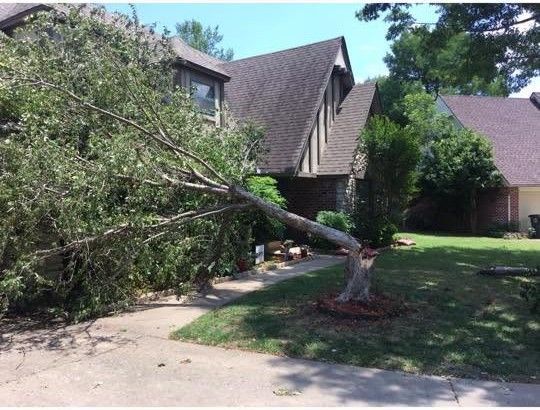
Dead limbs, weak trunks, storm damage, unstable trees — these put workers, equipment, and neighboring property at risk. Treat hazardous removal like ordinary site work, and you're gambling with people's safety. If a recent storm has already left damage behind, our
storm damage cleanup team handles that before it becomes a bigger problem.
A construction-savvy tree crew checks the tree, the surroundings, the drop zones, and the equipment access before making a single cut. Sometimes a tree can't just be felled — it has to come down in controlled pieces.
Sometimes Trimming Is the Answer, Not Removal
You don't always need to take the whole tree.
Branches in the way of roofers, scaffolding, cranes, or equipment access can often be solved with professional
tree trimming. The tree stays. The problem goes away.
Good pruning protects the tree's long-term health and structure — it's not just hacking off what's in the way. Sloppy cuts create new problems down the road and turn a healthy tree into tomorrow's liability.
A Tree Partner Keeps Your Project on Schedule
Finding a hazardous tree or a surprise stump after excavation crews show up throws off your sequencing and eats your schedule.
Catch it early, and tree work slots in alongside demolition, clearing, grading, and utilities instead of stopping them cold.
A reliable tree service pays off across every project you run. Instead of hunting for a company every time a tree issue pops up, you've got one resource for removal, trimming, assessments, and clearing whenever you need it.
Two Kinds of Contractors
Both have trees on the job site. Only one treats them as a variable worth managing.
The first contractor reacts. Finds the oak in the excavation zone after equipment's already there. Deals with the stump when the foundation crew flags it. Pays rush rates, loses schedule days, chalks it up to bad luck.
The second contractor plans. Gets the assessment done early. Builds tree work into the timeline. Shows up to mobilization with a site that's actually ready.
Your schedule, your crew, and your reputation depend on which one you are. React to tree problems mid-project, and you pay in time, money, and credibility. Solve them upfront, and they stop being problems at all.
Partner With Tulsa Tree Doc Before You Break Ground
A well-prepared site starts with the trees. Handle hazardous limbs, stumps, and vegetation before they get in the way, and your job site stays safer with fewer preventable delays.
Tulsa Tree Doc works with contractors, builders, and commercial clients across the Tulsa area — individual removals, selective clearing, full site prep — all done with the project's timeline and requirements in mind. Want to know more about who's behind the work? Check out
our story, or see what other contractors are saying in our
reviews.
Got questions about scheduling, pricing, or how tree work fits into your project timeline? Our
FAQs
page covers the most common ones.
Have an upcoming project that requires tree removal, land clearing, trimming, or a health assessment in Tulsa?
Contact Tulsa Tree Doc before construction begins.